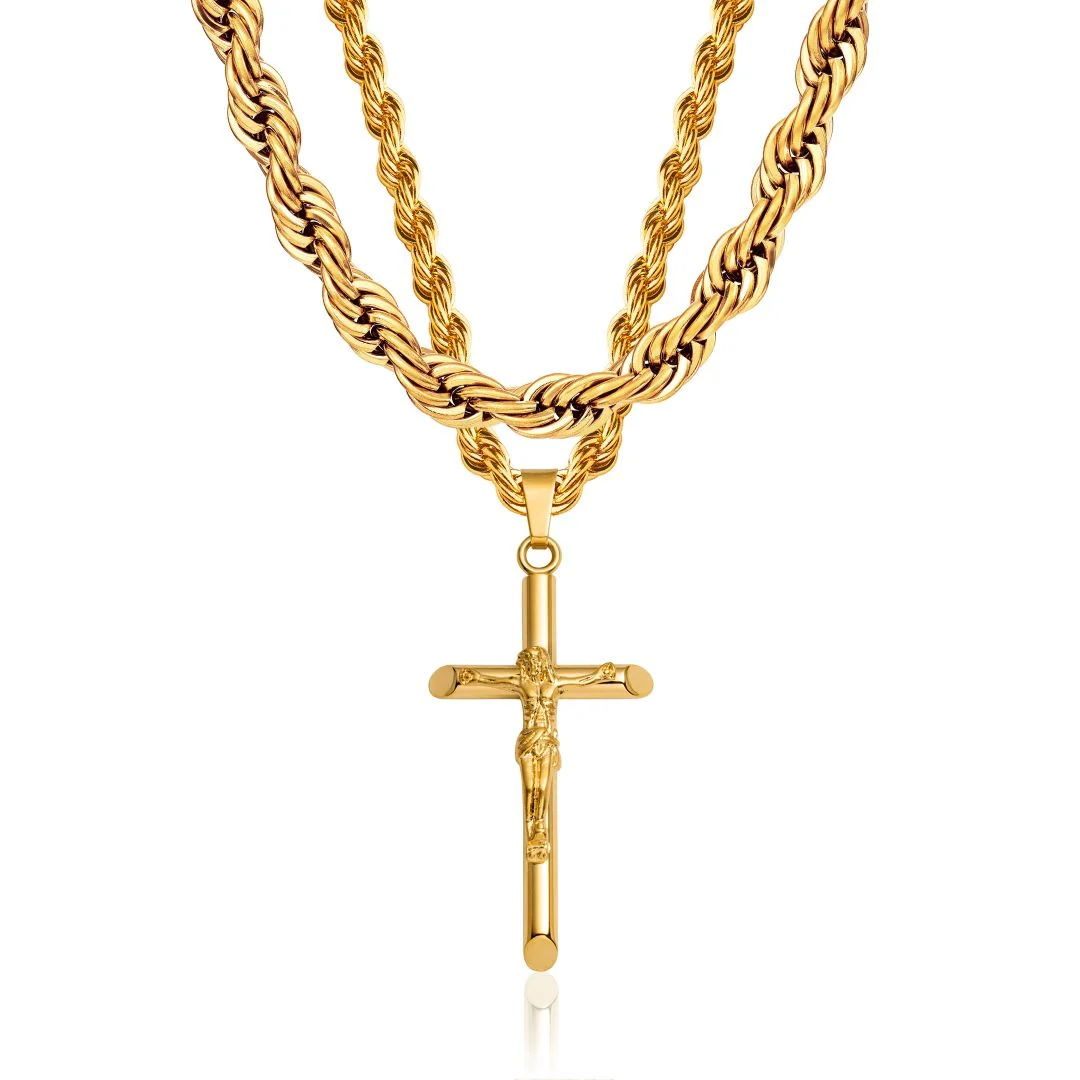

A necklace and bracelet set offers a simple way for men to coordinate their jewellery without spending time matching separate pieces. The necklace draws attention towards the neckline, while the bracelet adds a smaller detail at the wrist. Together, they can create a consistent look that works with casual clothing, smart-casual outfits and selected formal occasions.
Matching sets are available in different materials, colours, chain patterns and thicknesses. A mens necklace bracelet set may feature simple silver links, gold chains, pendants or decorative details. The best option depends on how often the jewellery will be worn, the clothes it needs to complement and the level of attention the wearer wants it to attract.
Why Matching Sets Work Well
The main advantage of a necklace and bracelet set is visual consistency. When both pieces share a similar metal finish or link pattern, they naturally complement each other.
This does not mean the necklace and bracelet must be identical. A medium-width necklace paired with a finer bracelet can create a balanced appearance while retaining a common design. The relationship between the pieces matters more than matching every measurement.
Sets can also simplify shopping. Buying coordinated pieces together reduces the need to compare different shades of gold, silver finishes or chain styles. Some retailers offer dedicated sets, while others allow customers to select separate pieces from the same collection.
Before purchasing a set, check whether both items are included in the advertised price. Product images sometimes show additional accessories that are sold separately.
Choosing Materials for Everyday Use
Material choice influences appearance, maintenance and cost. Sterling silver offers a cool metallic finish and suits men who prefer understated accessories. It works particularly well with denim, monochrome clothing, knitwear and tailored casual outfits.
Gold provides a warmer appearance. Yellow gold chains can stand out against black, white, navy and earth-toned clothing. Gold-tone stainless steel offers another option for men who prefer the look of gold without buying solid-gold jewellery, although the precise finish and durability depend on the product.
Stainless steel is commonly used in men’s jewellery because it is generally durable and requires relatively little maintenance. However, buyers should still check the grade, coating and clasp construction rather than assuming every stainless-steel piece has identical properties.
Leather-and-metal combinations provide a more relaxed alternative. A leather bracelet paired with a simple metal necklace can suit casual wardrobes, particularly when the colours and textures work naturally together.
Finding a Style That Matches Your Clothing
The most useful jewellery set is one that fits the clothing already in regular use. Men who prefer plain T-shirts, jeans and trainers may appreciate a simple curb-chain necklace with a matching bracelet. These designs introduce a metallic detail without requiring changes to the rest of the outfit.
For a minimalist wardrobe, thin chains and uncomplicated finishes tend to work well. A slim silver necklace and bracelet can complement a fitted crew-neck shirt, straight-leg trousers and clean footwear.
Men who enjoy streetwear may prefer wider Cuban or curb links. These pieces have a stronger visual presence and can balance oversized shirts, sweatshirts and relaxed denim.
For smart-casual clothing, medium-width chains usually offer a practical compromise. They remain visible with an open-collar shirt but are less likely to overwhelm tailored trousers or a fitted jacket.
Necklace Length and Bracelet Fit
The fit of each piece affects the overall appearance. A necklace that sits close to the neck creates a compact look, while a longer chain falls lower on the chest and may be more visible over a T-shirt.
Check the stated length and consider the neckline of the clothing. A short necklace may sit above a crew-neck collar, while a longer chain can hang over the shirt. Neither approach is universally better; the intended placement should guide the selection.
Bracelet fit requires similar attention. Measure the wrist and consult the retailer’s sizing chart. The bracelet should allow comfortable movement without sliding excessively over the hand.
The proportions of the necklace and bracelet should also make sense together. A very heavy necklace paired with an extremely fine bracelet creates contrast, which can be intentional, but a coordinated set usually looks more balanced when the visual weight of both pieces is considered.
Styling a Set for Everyday Activities
Everyday jewellery should be comfortable and easy to wear. A lightweight necklace and bracelet can complement a T-shirt, overshirt and jeans without creating unnecessary bulk.
Silver sets are especially adaptable with grey, black, navy and white clothing. Gold sets can add warmth to beige, olive, brown and dark colours. Neutral clothing makes it easier to repeat the same accessories across several outfits.
For active days, consider the practical side of jewellery. Long chains may catch on clothing, while heavy bracelets can become distracting during typing, exercise or manual tasks. Removing jewellery during activities where it could be damaged or become a safety hazard is often the sensible choice.
A simple set can be worn regularly, but it does not need to remain on the body throughout the day. Comfort and safety should take priority over maintaining a particular look.
Dressing for Dinner and Social Events
A necklace and bracelet set can make a casual evening outfit feel more considered. A black shirt, tailored trousers and leather shoes provide a clean background for a gold or silver chain.
The necklace can remain the main accessory, with the bracelet providing a smaller coordinating detail. This arrangement is especially effective when the chain has a pendant or a distinctive link pattern.
For a relaxed gathering, slightly heavier jewellery may suit the atmosphere. A dinner at an upscale restaurant or an evening celebration may call for a slimmer, polished set that complements the outfit without overwhelming it.
Avoid adding too many competing accessories. If the necklace has a large pendant, a relatively simple bracelet can help preserve balance.
Wearing Coordinated Jewellery With Formal Clothing
Formal clothing benefits from restraint. A slim chain worn beneath a dress shirt can provide a personal detail without disrupting the clean lines of a suit. A simple bracelet may complement the outfit, particularly if it works with the watch or cufflinks.
For conservative business events, visible jewellery should remain subtle. A thick necklace and large bracelet may suit a personal style but could feel out of place in settings with traditional dress expectations.
At weddings and evening functions, the level of formality matters. Follow the dress code and consider whether the jewellery complements the suit’s colour, shirt and other accessories.
A coordinated set should enhance the outfit rather than compete with it. Matching finishes and sensible proportions often achieve more than choosing the largest or most elaborate pieces.
Mixing Metals Without Losing Balance
Matching sets often use the same metal throughout, but combining gold and silver can also work. The important consideration is whether the contrast looks deliberate.
A two-tone watch, for example, can provide a visual link between a gold necklace and a silver bracelet. Alternatively, one metal can remain dominant while a smaller accessory introduces the second tone.
Avoid assuming that every item must match exactly. Different finishes can add character, particularly when the clothing is simple. However, men who are new to jewellery may find a single-metal set easier to style consistently.
Quality, Construction and Care
Inspect the clasp, links, pendant attachment and surface finish before buying. Weak connections can cause a necklace or bracelet to break or become lost, while rough edges may catch on fabric or irritate the skin.
Check material descriptions carefully. Solid gold, plated gold, sterling silver and stainless steel have different properties and price points. A matching appearance does not necessarily mean that two pieces use the same materials.
Clean each item according to the manufacturer’s guidance. Store necklaces separately to prevent tangling and keep bracelets away from pieces that could scratch their surfaces. Check clasps regularly, particularly on jewellery worn several times a week.
Choosing a Set That Lasts Beyond One Occasion
A well-chosen necklace and bracelet set can become a dependable part of a man’s wardrobe. Simple chain patterns, comfortable sizing and materials suited to the intended use make the pieces easier to wear across different settings.
Choose a set that reflects personal taste rather than a short-lived trend. A coordinated silver chain or classic gold set can work with familiar clothing for years, provided it receives suitable care and remains comfortable to wear.