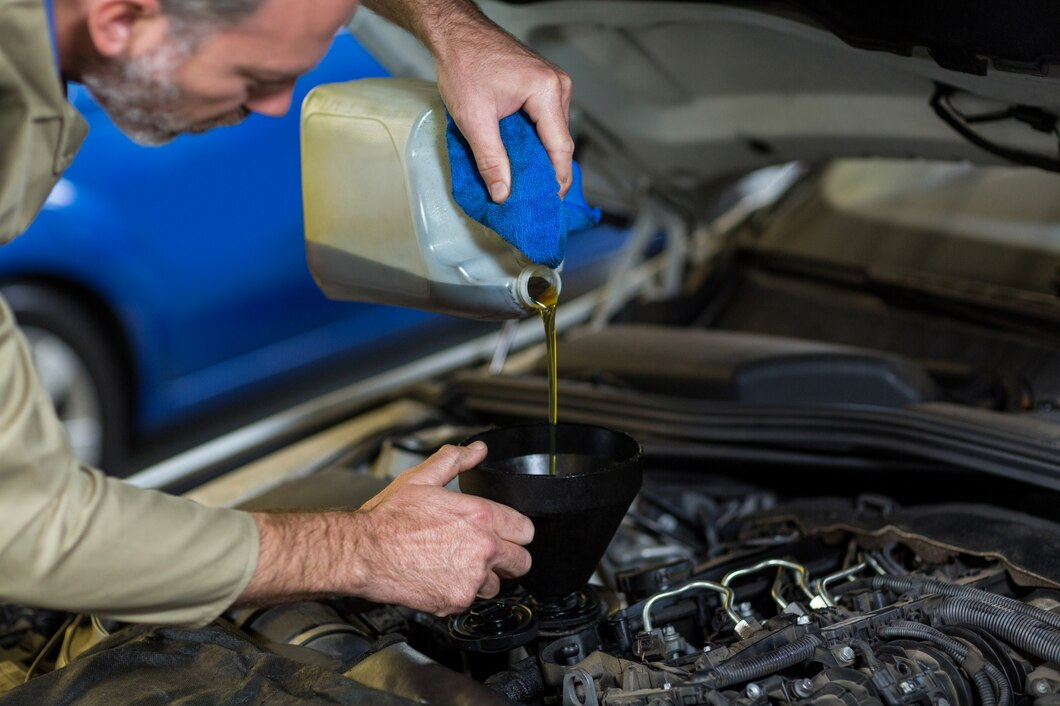

Commercial vehicles depend on regular engine maintenance to remain reliable throughout their working lives. Delivery vans, work trucks, service vehicles, and other fleet assets may spend long hours on the road, carry heavy loads, or operate in stop-and-start traffic. These conditions can place considerable demands on engine oil and other lubricating systems.
Fleet oil change services in Jackson help businesses maintain suitable lubrication, manage service schedules, and reduce the risk of avoidable engine wear. By organising oil changes according to manufacturer recommendations and actual vehicle use, fleet managers can support reliable operation while keeping maintenance records up to date.
Engine Oil Reduces Friction Between Moving Parts
An engine contains many moving components that operate at high speeds and temperatures. Engine oil forms a lubricating film between suitable surfaces, helping reduce friction and wear during operation.
Oil also helps carry heat away from certain engine components and suspends contaminants so that the filtration system can capture them. Over time, exposure to heat, combustion by-products, and other contaminants can change the oil’s condition.
Oil that is overdue for replacement may not provide the same level of protection as fresh oil meeting the correct specification. The exact rate of degradation depends on the engine design, operating conditions, oil type, and maintenance history.
Regular oil changes help maintain the lubrication system according to the vehicle manufacturer’s requirements. For commercial fleets, following a consistent process is especially useful because several vehicles may have different mileage levels and service needs.
Fleet Servicing Helps Prevent Unnecessary Engine Wear
Engines operating with insufficient or unsuitable oil can experience increased friction and component wear. In severe cases, poor lubrication can contribute to overheating, bearing damage, or major engine failure.
A routine oil change involves more than draining old oil and adding new lubricant. The service may include replacing the oil filter, checking the oil level, inspecting for leaks, and looking for signs of unusual contamination or mechanical problems.
Technicians can also identify issues that require further investigation. For example, recurring low oil levels may indicate a leak or excessive oil consumption. Metal particles or an unusual oil appearance may warrant additional checks rather than simply completing a routine service and returning the vehicle to operation.
Fleet oil change services help establish a repeatable process for these tasks. Consistent servicing gives managers a better chance of identifying developing problems before they cause extensive damage.
Service Intervals Should Reflect Actual Vehicle Use
Commercial vehicles do not all accumulate wear at the same rate. Two vehicles with similar mileage may have different maintenance needs because one spends most of its time on open roads while the other operates in heavy traffic with frequent stops.
Short trips, extended idling, heavy loads, dusty environments, and repeated cold starts can affect engine operating conditions. Some vehicles also accumulate substantial engine hours without covering much distance.
Fleet managers should use the manufacturer’s recommended maintenance schedule as their starting point. Depending on the vehicle, service intervals may be based on mileage, elapsed time, engine hours, or information supplied by a vehicle monitoring system.
Oil life monitoring systems can provide useful guidance where fitted, but they should be used according to the manufacturer’s instructions. A generic interval should not replace the specifications for the actual engine and lubricant.
Fleet oil change services in Jackson can help businesses organise maintenance around these requirements, particularly when vehicles operate on different schedules.
The Correct Oil and Filter Matter
Not every engine uses the same oil. Manufacturers specify requirements based on engine design, emissions equipment, operating temperatures, and other technical factors.
Oil viscosity is one consideration, but the product must also meet the required performance standards and approvals. Using an oil that does not meet the manufacturer’s specification may affect engine protection or interfere with emissions-related systems.
Oil filters also need to match the vehicle’s requirements. The filter removes particles from circulating oil, helping limit contamination within the lubrication system. A suitable replacement filter should be installed according to the correct service procedure.
During fleet maintenance, technicians should verify the vehicle’s specifications before selecting replacement products. This is particularly important for mixed fleets containing different makes, models, engine types, and model years.
Maintaining records of the oil and filter used during each service helps businesses track work completed and investigate any later maintenance concerns.
Timely Oil Changes Can Reduce Costly Repairs
Major engine repairs can be expensive because they may involve extensive labour, replacement parts, and prolonged vehicle downtime. Poor lubrication is only one possible cause of engine damage, but neglecting scheduled oil changes can increase avoidable risk.
A regular oil service is generally easier to plan than an unexpected engine repair. Fleet managers can arrange appointments in advance, budget for routine maintenance, and coordinate servicing with other appropriate inspections.
The financial benefit extends beyond the oil itself. Preventing unnecessary wear may help reduce the likelihood of expensive failures, although oil changes cannot prevent every engine problem or guarantee a particular vehicle lifespan.
Businesses should compare maintenance costs with the potential consequences of neglect. A modest service expense can be worthwhile when it helps protect a high-value commercial asset that the company depends on each day.
Oil Changes Provide an Opportunity to Inspect the Vehicle
A scheduled oil change can also serve as a useful maintenance checkpoint. While the vehicle is being serviced, technicians may inspect accessible components and identify concerns that deserve attention.
Depending on the agreed service, checks may include coolant levels, visible fluid leaks, belts, hoses, battery condition, tyres, lights, and other accessible items. The exact inspection scope should be confirmed with the service provider.
These checks may reveal a problem unrelated to engine oil. A damaged hose, worn belt, or developing leak could require additional work before the vehicle continues its regular duties.
Finding such issues during a planned service gives fleet managers an opportunity to arrange repairs before the next demanding route. However, an oil change should not be treated as a substitute for the vehicle’s full preventive maintenance programme or required safety inspections.
Jackson Fleets Can Benefit From Organised Service Scheduling
Businesses operating commercial vehicles in Jackson may have different maintenance challenges depending on their routes, workloads, and vehicle types. Local delivery fleets may make frequent stops, while work trucks may spend long periods idling at job sites or carrying equipment.
These operating patterns can affect how managers plan oil changes and related servicing. A structured schedule helps ensure that each vehicle receives attention according to its own maintenance requirements.
Fleet managers can track the following information:
- Vehicle identification and engine type.
- Current mileage or relevant engine-hour readings.
- Date and mileage of the previous oil change.
- Oil specification and filter details.
- Recommended next service date or interval.
- Additional defects identified during servicing.
A digital fleet management system can automate reminders and give managers an overview of upcoming maintenance. Smaller businesses can maintain similar information in a well-organised spreadsheet, provided records are updated consistently.
For businesses with several vehicles, arranging appointments in groups may simplify administration. However, service dates should reflect each vehicle’s needs rather than placing every vehicle on an unsuitable common interval.
Fewer Service Delays Help Keep Vehicles Available
A vehicle awaiting routine maintenance may be unavailable for a delivery, customer appointment, or scheduled job. If several vehicles require service at the same time, the resulting disruption can affect the entire operation.
Advance planning helps managers avoid this situation. They can schedule oil changes during quieter periods, coordinate servicing with vehicle rotations, and stagger appointments across the fleet.
Some providers may offer fleet-focused scheduling or mobile oil change services, depending on their capabilities and service area. Businesses should confirm whether a provider can service the relevant vehicle types and whether the location supports safe and compliant work.
The duration of an oil change depends on the vehicle, the service scope, access conditions, and any additional problems discovered during inspection. Building a reasonable time allowance into the schedule helps avoid unrealistic expectations.
Drivers Can Help Protect Engine Condition
Fleet maintenance does not rest entirely with technicians. Drivers can help identify potential problems by paying attention to dashboard warnings, unusual engine noises, visible leaks, and changes in vehicle performance.
They should understand the correct procedure for checking oil levels where applicable and should never open hot or pressurised components without following safe instructions. If an oil pressure warning appears, the driver should follow the manufacturer’s guidance and stop operating the vehicle when required to prevent engine damage.
A low oil level and low oil pressure are not identical conditions, so simply adding oil may not resolve the underlying issue. Repeated warnings require proper assessment.
Fleet managers should establish a straightforward reporting process and ensure drivers know who to contact when a concern appears. Prompt communication helps technicians assess the problem before it becomes more serious.
Choose a Fleet Oil Change Provider Carefully
A suitable provider should be able to service the fleet’s vehicle types and follow the relevant manufacturer specifications. Businesses in Jackson can ask about available service packages, appointment flexibility, product selection, recordkeeping, and the handling of additional repairs.
It is also useful to confirm whether oil disposal follows applicable environmental requirements. Used engine oil should be collected and handled through appropriate channels rather than released into drains, soil, or waterways.
Transparent pricing and clear service reports help fleet managers compare providers and track maintenance expenditure. A provider that records completed work accurately can also make future scheduling easier.
Keep Fleet Vehicles Ready for Daily Work
Regular oil changes help commercial engines receive the lubrication they need under demanding working conditions. Correct oil selection, suitable filters, manufacturer-based intervals, and timely servicing all contribute to responsible vehicle maintenance.
For businesses using fleet oil change services in Jackson, a well-managed schedule can reduce administrative pressure and help prevent avoidable maintenance delays. Combining oil changes with appropriate inspections, driver reporting, and accurate service records gives managers a clearer view of vehicle condition.
Consistent maintenance cannot remove every mechanical risk, but it helps businesses protect their vehicles and plan for the work ahead. A dependable oil service routine is a practical part of keeping commercial fleets running smoothly and supporting reliable daily operations.