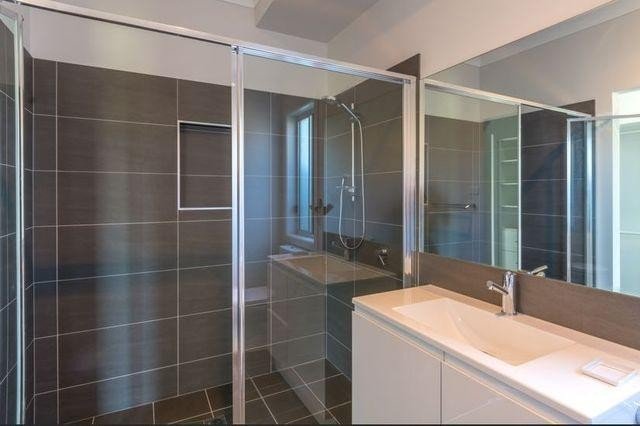

Renovating a bathroom is an important investment that can improve your home’s comfort, functionality, and overall appeal. Whether you are updating an outdated bathroom, creating a more practical layout, or modernising fixtures and finishes, choosing the right builder plays a significant role in the success of your project.
For homeowners in Shoalhaven, NSW, finding a reliable bathroom renovation builder involves more than comparing prices. You need to consider experience, licensing, waterproofing practices, material quality, project management, and communication. A well-planned renovation can help you avoid unnecessary delays, unexpected expenses, and problems that may develop after the work is completed.
If you are planning bathroom renovations in Shoalhaven, explore your options with an experienced renovation professional who can help you understand the design, construction, and planning considerations for your home.
1. Look for Relevant Bathroom Renovation Experience
Bathroom renovations involve several trades and technical requirements, including plumbing, electrical work, waterproofing, tiling, and fixture installation. A builder with relevant experience is better positioned to coordinate these elements and identify potential problems before they become expensive issues.
Review previous bathroom renovation projects
Ask prospective builders to show examples of completed bathroom renovations that are similar to your planned project. Look for evidence of neat tiling, well-finished corners, properly aligned fixtures, practical storage, and a cohesive overall design.
Pay attention to how the builder has handled different bathroom sizes and layouts. A compact ensuite requires different planning considerations from a large family bathroom.
Choose experience that matches your needs
If you want to relocate plumbing, change the shower layout, or completely reconfigure the room, ask whether the builder has managed similar work. Discuss any challenges they encountered and how they resolved them.
Relevant experience can help you assess whether a builder understands your requirements and can deliver a practical solution for your home.
2. Verify Licensing, Insurance, and Qualifications
Before engaging a bathroom renovation builder, confirm that they hold the licences required for the work they will undertake. Requirements in NSW depend on the type and value of the work, the contractor’s role, and applicable regulations.
Check the builder’s credentials
Ask for the builder’s licence details and verify them through the relevant NSW government licensing service. Also confirm that any subcontractors undertaking regulated plumbing, electrical, or other specialist work hold the appropriate licences.
Insurance is another important consideration. Ask about the insurance arrangements relevant to your project and verify the applicable cover before work begins.
Depending on the project, this may include public liability insurance and any required home building compensation cover. Do not assume that every renovation automatically requires the same insurance arrangements.
Understand your contractual protections
Before signing, review the written contract carefully. For residential building work in NSW, statutory requirements may apply to contracts, deposits, progress payments, insurance, and consumer protections.
If anything is unclear, seek independent advice before committing. Understanding your rights and responsibilities can help protect your investment throughout the renovation.
3. Request a Detailed and Transparent Quotation
A low quotation may appear attractive, but it does not necessarily represent the best value. If important tasks or materials are excluded, the final cost can increase significantly once construction starts.
Compare quotations on the same basis
Ask each builder to provide a written quotation that explains the proposed work, materials, labour, and expected project stages. It should identify what is included and highlight exclusions that could affect the total cost.
Check whether the quotation accounts for demolition, waste removal, plumbing, electrical work, waterproofing, tiling, cabinetry, fixtures, and finishing work where relevant.
You should also understand how variations will be priced and approved if you change your requirements or unexpected conditions arise.
Clarify allowances and payment arrangements
Some quotations include provisional sums or allowances for items that have not yet been selected or fully specified. Ask how these amounts were calculated and what could cause them to change.
Review the deposit and progress payment schedule, ensuring it complies with applicable NSW requirements. A clear financial arrangement makes it easier to budget realistically and reduces the likelihood of disagreements later.
4. Prioritise Proper Bathroom Waterproofing
Waterproofing is one of the most important technical aspects of a bathroom renovation. Poor workmanship can allow moisture to enter walls, floors, and adjoining areas, potentially leading to mould, damaged finishes, and expensive repairs.
Ask about waterproofing methods and compliance
Discuss how the builder will prepare the surfaces, apply the waterproofing system, and address junctions, penetrations, shower areas, and other moisture-prone locations.
The work should comply with the applicable National Construction Code requirements, relevant Australian Standards, and manufacturer instructions. In particular, ask how the builder ensures that waterproofing is completed and inspected at the appropriate stage before tiling begins.
Confirm documentation and quality checks
Ask whether the project includes appropriate records, inspections, or waterproofing certification where required. Clarify who is responsible for carrying out and documenting the work.
Waterproofing becomes harder to inspect after tiles and other finishes are installed. Making these checks part of the construction plan helps establish that an important stage has been completed correctly.
5. Evaluate Workmanship and Material Quality
The quality of materials and installation affects how well your bathroom performs over time. A visually attractive renovation is important, but durability, maintenance, and correct installation should also guide your decisions.
Inspect the finishing details
When reviewing previous projects, look closely at grout lines, tile alignment, silicone joints, cabinetry edges, tapware installation, and the finish around showers and vanities.
Ask about the products and materials the builder typically uses and whether they are suitable for the intended application. Flooring, for example, should provide appropriate slip resistance for the conditions in which it will be used.
Balance appearance with long-term practicality
Premium materials are not always necessary for every part of a bathroom. The right choice depends on your budget, household needs, preferred appearance, and maintenance expectations.
Discuss warranties, cleaning requirements, availability of replacement parts, and the expected durability of important fixtures. Clear specifications help ensure that the completed bathroom matches your expectations.
6. Assess Communication and Project Management
Bathroom renovations can disrupt daily routines, especially when the bathroom being renovated is the main one used by the household. Clear communication helps you understand what is happening, what comes next, and when important decisions are needed.
Ask who will manage your renovation
Find out whether you will communicate directly with the builder, a dedicated project manager, or another team member. Understand who coordinates subcontractors, schedules inspections, orders materials, and addresses problems on site.
A reliable builder should explain how progress updates will be provided and how questions or concerns will be handled.
Discuss the construction timeline
Ask for an estimated schedule covering demolition, plumbing, electrical work, waterproofing, tiling, and installation of fixtures. The timeline should also account for material lead times, inspections, and any necessary approval processes.
While unexpected delays can occur, a clear plan makes it easier to prepare your household and understand how changes may affect completion.
7. Check Reviews, References, and Reputation
Online reviews can provide useful insights into a builder’s communication, reliability, workmanship, and approach to resolving problems. However, reviews should be considered alongside other evidence rather than used as the only basis for your decision.
Speak with previous clients
Ask whether the builder can provide references from homeowners who have completed similar bathroom renovations. If possible, ask about the overall experience, adherence to the agreed scope, handling of variations, and responsiveness when issues arose.
Look for consistent feedback across multiple sources. A builder who communicates clearly, explains costs, and addresses concerns professionally is more likely to provide a positive renovation experience.
8. Make Sure the Design Suits Your Home
A successful bathroom renovation should reflect how you use the space. The best design balances appearance, accessibility, storage, ventilation, and practical movement.
Discuss your priorities before construction
Consider whether you need more storage, a walk-in shower, improved lighting, a larger vanity, or better accessibility. Discuss the placement of fixtures and how changes to the layout may affect plumbing, drainage, and construction costs.
For Shoalhaven homeowners, it is also worth considering ventilation and moisture management, particularly in bathrooms that receive limited natural airflow.
A good builder should explain the practical implications of your design choices and help you understand where adjustments may be necessary.
9. Understand Warranties and Aftercare
Your relationship with a builder should not end immediately after the final installation. It is important to understand what happens if a defect appears, a fixture needs attention, or a concern arises after completion.
Clarify the warranty and handover process
Ask which workmanship and product warranties apply and how you should report issues. Request relevant product documentation, care instructions, and records for specialist work where applicable.
Before making final payments, review the completed work against the agreed scope and record any outstanding items that need attention. The contract and applicable NSW laws will determine the relevant obligations and remedies.
Clear handover arrangements provide a useful reference for maintaining your renovated bathroom and addressing future concerns.
10. Choose Value and Reliability Over Price Alone
Selecting the cheapest builder can be tempting, particularly when working within a strict budget. However, the best choice is usually the contractor who offers an appropriate balance of experience, quality, transparency, and dependable project management.
Make an informed final decision
Compare your shortlisted builders based on their relevant experience, verified credentials, detailed quotations, waterproofing processes, references, and communication.
Choose someone who listens to your requirements, explains the work clearly, and provides realistic expectations about cost and timing. A professional approach from the beginning can make the renovation process easier to manage.
Final Thoughts
Choosing the right bathroom renovation builder in Shoalhaven requires careful research and a clear understanding of your project’s needs. By checking experience, verifying licences, comparing detailed quotations, and prioritising waterproofing and workmanship, you can make a more confident decision.
Take time to review contracts, ask questions, and clarify responsibilities before construction starts. A well-planned renovation can create a bathroom that is comfortable, practical, durable, and suited to your household for years to come.
Powerbuild Homes helps homeowners transform their bathrooms through thoughtfully planned renovation solutions tailored to their needs, preferences, and properties.