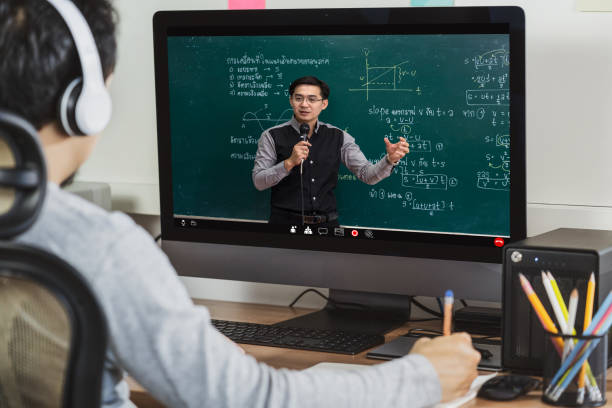

Physics is an important subject for students following the Scottish curriculum, but understanding its concepts and applying them to exam questions can sometimes be challenging. From mechanics and electricity to waves and nuclear physics, students need a strong understanding of scientific principles, mathematical calculations, and practical applications to perform well in assessments.
Finding the right online physics tutor can make learning more manageable and help students develop confidence in their abilities. Whether a student is preparing for National 5, Higher Physics, or Advanced Higher Physics, personalized tuition can provide targeted support based on individual learning needs.
Explore Scottish Physics Tutors Online to find relevant tutoring options for National 4, National 5, Higher, and Advanced Higher Physics.
1. Choose a Tutor Who Understands the Scottish Curriculum
The first step is to find a tutor who is familiar with the Scottish education system and its physics qualifications. The Scottish curriculum follows a different structure from GCSE and A-Level courses in England, so subject knowledge alone may not be enough.
A suitable tutor should understand the learning outcomes, assessment requirements, and level of difficulty associated with the student’s qualification.
Understand the Different Physics Levels
Students in Scotland may study physics at several levels, depending on their stage of education and academic goals.
- National 4 and National 5 Physics: These courses introduce essential concepts, including forces, electricity, waves, and radiation.
- Higher Physics: This level develops a deeper understanding of scientific principles and requires students to apply knowledge to more complex problems.
- Advanced Higher Physics: This course explores advanced concepts and develops analytical, mathematical, and independent learning skills.
Before choosing a tutor, confirm that they can teach the specific qualification your child is studying. A tutor who understands the course requirements can help students focus on relevant topics and prepare more effectively for assessments.
2. Look for Relevant Teaching Experience and Subject Expertise
A tutor’s academic background is important, but their ability to explain difficult concepts clearly is equally valuable. Physics often involves abstract ideas and mathematical relationships that students may find confusing without appropriate guidance.
An experienced tutor should be able to break complicated topics into manageable steps and connect theoretical knowledge with practical examples.
What Makes a Good Physics Tutor?
Look for a tutor who can explain scientific concepts in simple language, identify gaps in understanding, and adapt lessons to different learning abilities.
They should also be comfortable helping students interpret exam questions, select the correct formulas, show calculation steps, and use appropriate units.
A good tutor does more than provide answers. They encourage students to understand why a particular method works, enabling them to approach unfamiliar questions independently.
3. Check Whether Lessons Are Personalised
Every student learns differently. Some may understand scientific theories but struggle with numerical problems, while others may need additional support with basic concepts before moving on to advanced topics.
Personalised tuition allows the tutor to address these individual challenges instead of following a fixed teaching pace for every learner.
How Personalised Physics Tuition Helps
A tutor can begin by assessing the student’s current knowledge and identifying areas that need improvement. Lessons can then focus on specific weaknesses, upcoming assessments, and long-term academic goals.
For example, a National 5 student who struggles with electricity calculations may benefit from additional practice with voltage, current, resistance, and the relationship between these quantities.
A Higher Physics student who understands the content but loses marks in written responses may need more guidance on interpreting questions and presenting answers accurately.
This targeted approach helps students make better use of their study time and build confidence gradually.
4. Evaluate the Quality of Online Teaching
Online physics tutoring can be effective when lessons are interactive, well organised, and supported by appropriate learning tools. Before committing to regular sessions, find out how the tutor delivers lessons and explains challenging topics remotely.
A good online learning environment should encourage students to ask questions, solve problems, and participate actively rather than simply watch a presentation.
Essential Features of Effective Online Lessons
Look for lessons that include:
- Interactive explanations using digital whiteboards, diagrams, and equations.
- Live problem-solving sessions with opportunities to ask questions.
- Practice questions and feedback to identify mistakes.
- Recorded sessions, where available, for reviewing difficult concepts.
These features can help students revisit complicated explanations and reinforce what they have learned.
It is also worth checking the technical requirements for lessons, including internet connectivity, audio quality, and access to any necessary learning materials.
5. Make Sure the Tutor Focuses on SQA Exam Preparation
Understanding physics concepts is essential, but students must also know how to apply their knowledge under exam conditions. Effective tuition should therefore combine subject learning with preparation for the relevant Scottish qualifications.
Students benefit from practising questions that reflect the style, structure, and level of difficulty of their assessments.
Practise Past Papers and Marking Instructions
Past papers can help students become familiar with common question formats and identify topics that require further revision. Reviewing marking instructions also helps learners understand how answers are assessed.
A tutor can guide students through calculations, explain why particular answers earn marks, and identify recurring errors.
For example, a student might know the correct formula but forget to rearrange it accurately or include the appropriate unit in the final answer. Regular practice can help address these mistakes.
Develop Effective Exam Techniques
Students should also learn to manage their time, interpret command words, show working clearly, and check whether their answers are reasonable.
Rather than memorising solutions, they should practise applying scientific principles to different situations. This approach builds the flexibility needed to tackle unfamiliar questions.
6. Consider Communication Style and Student Confidence
A tutor’s communication style can have a significant impact on a student’s learning experience. Some students hesitate to ask questions when they do not understand a concept, particularly if they are worried about making mistakes.
A supportive tutor creates an environment where students feel comfortable discussing difficulties and asking for clarification.
Look for Clear Explanations and Constructive Feedback
The tutor should explain concepts at an appropriate pace and encourage students to work through problems independently.
Constructive feedback should highlight what the student has done correctly, explain where mistakes occurred, and provide practical ways to improve.
Confidence develops when students can recognise their progress and understand how to correct errors. Over time, this can help them become more independent learners.
7. Compare Pricing, Flexibility, and Lesson Availability
Practical considerations also matter when choosing an online physics tutor. Families should compare lesson fees, available time slots, cancellation policies, and the flexibility to arrange sessions around school commitments.
However, the lowest price does not necessarily represent the best value. It is important to consider the tutor’s expertise, teaching approach, lesson quality, and suitability for the student’s needs.
Ask About Trial Lessons and Learning Plans
If a free trial lesson is available, use it to assess whether the tutor explains concepts clearly and understands the student’s learning goals.
You can also ask how progress will be monitored and how frequently lessons should take place.
A clear learning plan can help students balance tutoring with independent revision, homework, and other school responsibilities.
8. Read Reviews and Check Tutor Suitability
Reviews and recommendations can provide useful information about a tutor’s reliability, communication, and teaching effectiveness. However, reviews should be considered alongside the tutor’s qualifications, experience, and understanding of the Scottish curriculum.
Look for feedback that describes specific improvements, such as better understanding of difficult topics, increased confidence, or more effective exam preparation.
Questions to Ask Before Choosing a Tutor
Before booking lessons, consider asking:
- Do you teach National 5, Higher, or Advanced Higher Physics?
- How do you identify and address gaps in understanding?
- Do you use Scottish qualification past papers and relevant marking instructions?
- How do you measure progress and adapt lessons?
The answers can help you determine whether the tutor is equipped to provide suitable academic support.
9. Find Scottish Physics Tutors Online Through a Suitable Platform
Finding a tutor independently can take time, particularly when you need someone who understands the Scottish curriculum and can accommodate your schedule. Online tutoring platforms can simplify the process by helping students and parents explore suitable teaching options.
When comparing platforms, look for clear information about tutoring services, available qualifications, lesson formats, and the process for finding a tutor.
Tutors Valley provides an option for students and parents seeking online physics tuition aligned with the Scottish curriculum.
Before selecting a tutor, consider the student’s current academic level, areas of difficulty, preferred learning style, and examination goals. Matching these needs with the right tutor can make online lessons more focused and productive.
10. Monitor Progress and Adjust the Learning Approach
Choosing a tutor is only the beginning. Regularly reviewing progress helps students and parents understand whether the lessons are addressing learning difficulties effectively.
Progress can be measured through improvements in topic tests, the ability to solve questions independently, performance in practice papers, and increased confidence when explaining scientific concepts.
Build Consistent Study Habits
Students should complement tutoring sessions with regular revision and independent practice. Revisiting lesson notes, attempting additional questions, and maintaining a record of common mistakes can reinforce learning between sessions.
If a student continues to struggle with a particular topic, the tutor can adjust the teaching approach or spend more time strengthening the underlying concepts.
Consistent communication between the student, tutor, and parent, where appropriate, helps keep learning goals realistic and progress on track.
Conclusion
Finding the best online physics tutor for the Scottish curriculum involves more than comparing prices or choosing someone with strong subject knowledge. The right tutor should understand the relevant Scottish qualification, explain difficult concepts clearly, personalise lessons, and help students develop effective problem-solving and exam techniques.
By evaluating teaching experience, online learning methods, exam preparation, communication, and progress tracking, students and parents can make a more informed decision.
With the right support and consistent independent practice, students can strengthen their understanding of physics, improve their confidence, and work towards their academic goals.
Tutors Valley helps students and parents explore online tutoring options designed to support individual learning needs and academic progress.