ByJohn A
How Do You Choose the Right Remodeling Company in Katy for Your Home Renovation?
Choosing the right remodeling company in Katy is an important step toward creating a home that better suits your lifestyle, improves functionality, and maintains long-term value. Whether you are planning a kitchen upgrade, a bathroom renovation, or a complete home transformation, the contractor you select can significantly influence the quality, cost, and timeline of the project.
A successful renovation begins with careful planning, realistic budgeting, and a clear understanding of the contractor’s experience and responsibilities. Homeowners should evaluate more than pricing alone. Communication, workmanship, project management, and familiarity with local requirements are equally important when comparing remodeling professionals.
Working with experienced remodeling company Katy homeowners can consult for renovation needs can help you understand available options and establish a clear direction for your project. By reviewing estimates, verifying qualifications, and asking the right questions, you can make a more informed decision and reduce the likelihood of unexpected complications.
What Should You Look for in a Remodeling Company in Katy?
A reliable remodeling contractor should demonstrate relevant experience, transparent business practices, and the ability to manage the specific requirements of your renovation. Before making a commitment, assess the company’s approach to planning, communication, construction quality, and customer expectations.
Relevant Experience With Your Type of Renovation
Not every contractor specializes in the same projects. Some focus on bathrooms and kitchens, while others handle additions or comprehensive interior renovations. Choose a company with experience that aligns with your project’s size, complexity, and design requirements.
Ask about similar completed projects, the materials commonly used, and how the contractor addresses structural, plumbing, electrical, or layout-related challenges. Relevant experience helps establish whether the company can manage the technical demands of your renovation.
Familiarity With Local Building Requirements and Permits
Renovation projects may require permits or inspections depending on the work involved and applicable local regulations. Changes involving structural components, electrical systems, plumbing, or additions may have specific requirements.
A knowledgeable contractor should explain which approvals may be necessary, who will coordinate applications, and how inspections fit into the construction schedule. Homeowners should verify requirements with the relevant local authority rather than assume every project follows the same rules.
Evidence of Consistent Workmanship and Professional Standards
Quality workmanship affects both the appearance and durability of a renovation. Look for careful finishing, properly installed fixtures, consistent material alignment, and attention to details that influence everyday use.
Professional standards also include maintaining an orderly worksite, protecting existing areas where practical, following manufacturer instructions, and addressing defects appropriately. Ask how quality checks are performed throughout the project rather than relying exclusively on the finished appearance.
Clear Communication and Defined Project Responsibilities
A remodeling company should explain the project scope, expected schedule, decision-making process, and responsibilities of everyone involved. You should know who serves as your main contact and how progress updates will be provided.
Clear communication is particularly important when design decisions, material availability, or concealed conditions affect the original plan. Written agreements and documented changes help prevent misunderstandings during construction.
Which Home Remodeling Services Should a Contractor Offer?
The services you need depend on the areas being renovated and the goals you want to achieve. A contractor with suitable capabilities can help coordinate related improvements while maintaining a consistent approach to design, materials, and project scheduling.
Bathroom Remodeling and Shower Renovations
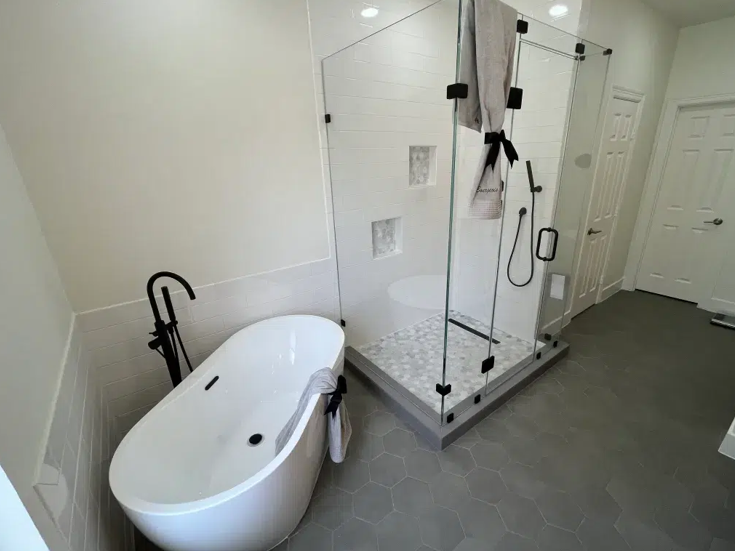
Bathroom remodeling can involve replacing outdated fixtures, improving ventilation, updating flooring, installing new vanities, or redesigning shower areas. Waterproofing, drainage, plumbing connections, and moisture control require particular attention.
Ask how the contractor handles waterproofing systems, tile installation, fixture compatibility, and ventilation. These details contribute to a bathroom that remains functional and easier to maintain over time.
Kitchen Remodeling and Custom Cabinetry
Kitchen renovations often involve cabinetry, countertops, lighting, flooring, plumbing fixtures, and appliance placement. The layout should support convenient movement, sufficient storage, and practical food preparation.
Discuss cabinet materials, storage configurations, countertop options, and electrical requirements before construction begins. A detailed plan can reduce costly adjustments and help ensure that the finished kitchen meets your needs.
Home Additions and Whole-Home Renovations
Home additions and whole-home renovations generally require more extensive coordination than individual room upgrades. Structural planning, utility connections, design consistency, and permit requirements may all influence the project.
Confirm that the contractor can manage the relevant trades and coordinate the necessary inspections. Larger projects also benefit from a defined schedule, realistic contingency planning, and clear documentation of the work included.
Flooring, Storage, and Other Interior Upgrades
Flooring replacement, built-in storage, interior trim, and other upgrades can improve the comfort and functionality of a home. Material selection should account for durability, maintenance, room conditions, and compatibility with existing finishes.
When several interior improvements are planned together, discuss how work will be sequenced to avoid unnecessary damage, repeated labor, or scheduling conflicts.
How Can You Verify a Remodeling Company’s Experience and Credibility?
Before hiring a contractor, independently review the information provided and confirm that it supports the company’s claims. A professional website or persuasive consultation can be useful, but neither replaces practical verification.
Reviewing Project Portfolios and Relevant Before-and-After Photos
Review photographs of completed projects that resemble your planned renovation. Look for consistency in finishing, material installation, design execution, and attention to detail.
Ask whether the company can explain the scope of the work shown and identify which elements its team or subcontractors completed. A relevant portfolio provides a better basis for comparison than attractive photographs alone.
Checking References, Customer Reviews, and Professional Affiliations
Read customer reviews across more than one source where possible. Look for recurring comments about communication, schedule management, workmanship, budget transparency, and how concerns were resolved.
References can provide additional insight into project organization and post-completion support. Professional affiliations may also be worth checking, although membership alone does not guarantee quality or reliability.
Confirming Applicable Licensing, Insurance, and Trade Qualifications
Requirements vary according to the type of work and the relevant jurisdiction. Ask what licenses, registrations, insurance coverage, and specialist qualifications apply to your project.
Verify relevant credentials through the appropriate authorities and request evidence of insurance. Where specialist work is involved, confirm that the individuals or subcontractors performing it have the required qualifications.
Asking About Previous Projects With Similar Requirements
Discuss the specific challenges your renovation may involve, including older building components, unusual room dimensions, structural changes, or complex installations.
A contractor should be able to describe the planning considerations, likely constraints, and inspection requirements without promising results before assessing the property. This conversation helps establish whether the company understands your project’s practical demands.
What Should Be Included in a Home Remodeling Estimate?
A written estimate should explain the proposed work clearly enough for you to understand what you are paying for and compare it fairly with other proposals.
Reviewing Labor, Materials, Fixtures, and Demolition Costs
The estimate should identify major labor and material costs, demolition, disposal, fixtures, installation, and other relevant expenses. Depending on the project, it may also cover preparation, protection of existing areas, and cleanup.
Check whether quantities, material grades, product specifications, and installation responsibilities are defined. Detailed descriptions make it easier to identify omissions before work begins.
Understanding Allowances, Exclusions, and Potential Additional Charges
Allowances are budgeted amounts for items that have not been selected or fully priced. If your chosen products exceed those allowances, the final cost may increase.
Review exclusions, delivery charges, disposal costs, and the treatment of concealed damage. Older plumbing, electrical problems, or structural issues may require additional work that cannot be confirmed until construction exposes the relevant areas.
Checking Payment Milestones and Change-Order Procedures
The contract should specify payment amounts, due dates, and the conditions attached to each milestone. Understand the deposit requirements and avoid paying the entire project cost upfront without appropriate contractual safeguards.
Changes to the original scope should be documented in writing, including their price and potential effect on the completion date. A clear change-order process helps both parties maintain an accurate record of decisions.
Comparing Written Proposals Beyond the Total Price
The lowest quote is not necessarily the best value. Compare material quality, included services, project management, warranties, payment terms, and the proposed schedule.
If one estimate is substantially lower than the others, ask which costs or tasks have been excluded. A complete, transparent proposal offers a stronger basis for evaluating overall value.
How Does a Professional Remodeling Project Usually Work?
Understanding the typical renovation process helps homeowners prepare for decisions, scheduling requirements, and temporary disruptions. Although individual projects vary, a structured process usually follows several stages.
Initial Consultation and Assessment of the Existing Space
The contractor discusses your goals, priorities, budget, and preferred timeline. An assessment of the existing space helps identify visible constraints, measurements, and areas that may require further investigation.
Design Development, Material Selection, and Budget Planning
Plans, layouts, finishes, fixtures, and material specifications are developed or finalized. Confirming these choices early reduces uncertainty and helps establish a more dependable budget.
Permits, Inspections, and Pre-Construction Preparation
Where required, permit applications and supporting documents must be coordinated before the relevant work begins. Pre-construction preparation may include ordering materials, confirming subcontractor availability, and establishing site access arrangements.
Construction Scheduling and Communication With Homeowners
The contractor coordinates labor, deliveries, inspections, and the order of construction activities. Ask how frequently you will receive updates and how delays or unexpected conditions will be communicated.
Final Walkthrough, Corrections, and Project Handover
At completion, review the work against the agreed scope. Record incomplete items or defects, establish a correction schedule, and obtain relevant warranties, product information, and final documentation.
What Questions Should You Ask Before Hiring a Remodeling Contractor?
Direct questions help clarify how a contractor manages responsibility and uncertainty. Before signing, make sure you understand who will oversee the work and how decisions will be handled.
Who Will Manage the Project and Coordinate Trades?
Ask whether a dedicated project manager will oversee scheduling, subcontractors, material deliveries, and progress updates. Confirm who has authority to answer questions and approve routine decisions.
Who Is Responsible for Permits and Required Inspections?
The contract should identify who prepares permit applications, arranges inspections, and addresses any corrections required by the relevant authority. Clarify whether associated fees are included in the estimate.
How Will Unexpected Repairs and Delays Be Handled?
Ask how concealed damage, material shortages, and scheduling disruptions will be documented. The contractor should explain how additional costs and timeline changes will be approved before extra work proceeds, except where immediate action is necessary to protect safety or property.
What Workmanship Warranty and Post-Project Support Are Provided?
Request written details about workmanship coverage, applicable exclusions, claim procedures, and the process for reporting defects. Also clarify how manufacturer warranties apply to supplied products and fixtures.
What Warning Signs Should You Watch for When Comparing Contractors?
Recognizing warning signs early can help you avoid unclear agreements, financial disputes, and disappointing workmanship. Evaluate the contractor’s conduct throughout the selection process, not just during the initial consultation.
Vague Estimates or Missing Project Details
An estimate that lacks material specifications, defined tasks, or clear exclusions makes it difficult to understand the final cost. Request written clarification before comparing proposals or approving the work.
Pressure to Sign Before Reviewing the Scope of Work
Be cautious if a contractor pushes you to sign immediately or discourages questions about payment terms and project details. Take sufficient time to review the contract and seek independent advice when necessary.
Unclear Insurance, Qualifications, or Subcontractor Arrangements
Missing documentation or reluctance to explain who will perform specialist work warrants further investigation. Verify applicable credentials, insurance, and subcontractor responsibilities before committing.
Unrealistic Timelines and Unexplained Pricing Differences
Construction schedules depend on project complexity, approvals, material availability, and site conditions. Promises that disregard these factors may be unreliable. Similarly, substantial price differences should be explained through a clear breakdown of scope, materials, and labor.
Why Does Local Experience Matter When Remodeling a Home in Katy?
Local experience can help a contractor understand regional construction considerations, coordinate project logistics, and identify requirements that may affect planning. However, local familiarity should complement verified qualifications and a well-defined contract.
Understanding Project-Specific Permits and Inspection Requirements
Requirements depend on the work being performed and the applicable authority. A contractor familiar with projects in Katy may be better prepared to identify questions that need confirmation, coordinate submissions, and account for inspections in the schedule.
Planning Around Material Delivery and Construction Scheduling
Material lead times, trade availability, and delivery access can affect construction progress. Effective scheduling helps coordinate these factors and reduces the risk of avoidable downtime.
Selecting Renovation Solutions That Suit the Home’s Layout and Needs
A renovation should reflect the home’s existing layout, structural limitations, household requirements, and maintenance preferences. Discuss practical design options that improve usability without overlooking the building’s constraints.
For information about available remodeling options and the company’s approach to residential projects, visit HL Remodeling.
Frequently Asked Questions About Hiring a Remodeling Company in Katy
How do I find a reliable remodeling company in Katy?
Start by identifying contractors with relevant project experience. Review portfolios, customer feedback, written estimates, applicable credentials, and insurance documentation. Compare communication practices and request references before signing a contract.
Should I get multiple remodeling estimates before hiring a contractor?
Yes. Obtaining two or three detailed estimates can help you compare scope, materials, labor, schedules, and payment terms. Make sure each contractor is pricing substantially the same work so the comparison is meaningful.
What should a remodeling contract include?
A remodeling contract should define the scope of work, materials, project price, payment schedule, estimated timeline, exclusions, change-order procedures, permit responsibilities, warranty terms, and dispute-resolution process. Both parties should receive a signed copy.
Does a remodeling company handle permits and inspections?
Some contractors coordinate permits and inspections, but responsibilities vary by company and project. Confirm the arrangement in writing and verify applicable requirements with the relevant local authority before construction begins.
How can I tell whether a remodeling quote is reasonable?
Compare the quote with other detailed proposals for the same scope and quality of materials. Review labor, allowances, exclusions, fees, payment terms, and warranty coverage. Ask for clarification about unusual price differences instead of choosing solely by the lowest total.
Conclusion: Choosing a Remodeling Company With Confidence
Choosing the right remodeling company in Katy requires a careful assessment of experience, workmanship, communication, pricing, and project management. A clear estimate and written contract help establish expectations, while verified qualifications and relevant references provide additional confidence in the contractor’s capabilities.
Take time to compare proposals, understand permit responsibilities, and discuss how changes or unexpected repairs will be handled. Prioritizing transparency and planning over price alone can help you make informed decisions throughout your renovation.
When you are ready to discuss your home improvement requirements, review the available services and use the company’s Contact Us page to make an inquiry. A clear understanding of your goals and budget is a practical starting point for planning a successful home renovation.