ByJohn A
What Is Burnished Concrete in Brisbane, and How Is It Different From Polished Concrete?
Burnished concrete is a flooring finish valued for its smooth appearance, understated texture, and contemporary character. It can suit selected residential, retail, office, and commercial interiors where a refined concrete surface is preferred. However, choosing the right finish requires an understanding of how burnishing works, how the existing slab affects the outcome, and how the finished floor will be used.
When considering burnished concrete Brisbane, it is important to understand that burnished concrete and mechanically polished concrete are not the same flooring system. They can produce different surface appearances and may involve different preparation methods, performance characteristics, and maintenance requirements.
This guide explains the burnished concrete process, its benefits, suitable applications, cost considerations, and the factors to evaluate before choosing a contractor.
What Is Burnished Concrete?
Burnished concrete is a concrete finish created by refining the surface to produce a smooth, often low-exposure appearance. Depending on the method used, the surface may have a subtle sheen that complements modern architectural designs.
The appearance and performance of burnished concrete depend on the concrete mix, finishing technique, slab condition, and any treatments applied. Understanding these variables helps property owners determine whether this finish is suitable for their flooring requirements.
Understanding the Burnished Concrete Finish
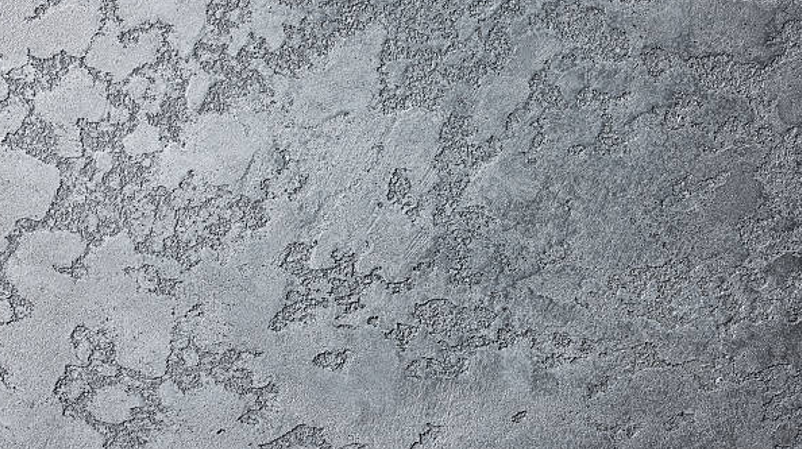
Burnished concrete typically has a relatively uniform appearance, with limited visible stone aggregate compared with finishes designed to expose the internal materials of the slab. Its final sheen depends on the finishing method and the condition of the concrete.
The process may involve specialised mechanical equipment to refine and close the surface. In some applications, burnishing refers to finishing fresh concrete at the appropriate stage of curing, while other systems involve treating an existing surface. The specific method should be confirmed before the project begins.
This distinction matters because the installation process affects the achievable appearance, the preparation required, and the expected performance of the finished floor.
How Burnished Concrete Creates a Refined, Low-Exposure Appearance
A low-exposure finish retains much of the cement paste at the surface, limiting the amount of aggregate visible after finishing. This can create a more consistent visual effect than a floor that has been ground deeply to reveal stones.
The sheen may range from relatively subtle to more reflective, depending on the system and finishing technique. Lighting, surface variations, and the concrete’s original colour can also influence the result.
Property owners should discuss the intended appearance before installation. A clear finish specification helps establish whether the preferred outcome is achievable with the existing slab or requires a different approach.
Why Slab Condition and Finishing Technique Matter
The concrete slab has a direct influence on the quality of the finished floor. Cracks, uneven areas, surface contamination, previous coatings, and inconsistent curing can affect the appearance and suitability of the surface.
Finishing technique is equally important. Working the concrete at an unsuitable stage or using an inappropriate process can create surface inconsistencies. An inspection helps establish the condition of the slab and identify the preparation needed to achieve a satisfactory result.
How Is Burnished Concrete Installed?
The installation process depends on whether the work involves newly placed concrete or an existing slab. The proposed system should be suitable for the property’s conditions and the required finish.
Planning the process in advance also helps identify repairs, access requirements, and any limitations that could affect the finished appearance.
Assessing Concrete Suitability and Surface Condition
Before work starts, the contractor should inspect the slab for cracks, unevenness, contamination, moisture concerns, and previous treatments. These factors influence whether the surface can be finished as intended.
For existing concrete, the assessment should establish whether the slab is suitable for the proposed burnishing method. Some surfaces may require repairs or preparation, while others may be better suited to mechanical polishing or an alternative flooring system.
The contractor should explain any limitations and provide a realistic description of the finish that can be achieved.
Preparing and Finishing the Concrete Surface
Preparation depends on the chosen system. Fresh concrete requires appropriate placement, levelling, and timing before the finishing process begins. Existing concrete may require cleaning, repairs, or other surface preparation before a suitable treatment is applied.
The surface is then refined using the specified finishing technique. If the system includes a protective treatment or sealer, it should be compatible with the concrete and the intended application.
Following the correct process is essential because burnishing is not simply a matter of making concrete shiny. The method must be appropriate for the slab and the performance requirements of the space.
Checking Consistency, Appearance, and Surface Quality
Once finishing is complete, the surface should be checked for consistency, visible defects, and compliance with the agreed specification. The assessment should consider the sheen, colour variation, surface texture, and any repairs.
Concrete naturally varies in colour and composition, so a completely uniform appearance may not always be possible. Expectations should be agreed upon before work begins, particularly where visual consistency is important.
What Are the Benefits of Burnished Concrete Flooring?
Burnished concrete can offer an attractive combination of appearance and practical performance when the correct system is selected. Its suitability depends on the property’s use, the slab’s condition, and the maintenance expectations of the owner.
Creating a Clean, Industrial-Inspired Appearance
Burnished concrete complements industrial and contemporary interiors through its understated texture and smooth finish. Its natural colour can work with metal, timber, glass, and other architectural materials.
The relatively low-exposure appearance can provide a restrained alternative to finishes with prominent aggregate. However, the concrete’s colour and surface characteristics remain visible, so the finished floor should be considered as part of the overall design.
Working With Contemporary Residential and Commercial Designs
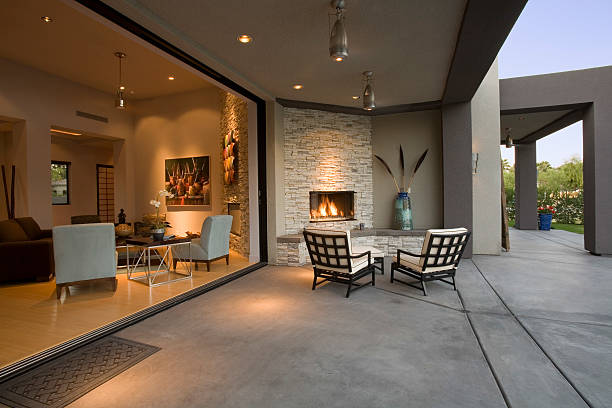
The simple appearance of burnished concrete can suit selected homes, offices, retail environments, and showrooms. It can provide a continuous flooring surface without the repeated joints associated with some separate floor coverings.
Its design suitability depends on factors such as lighting, furniture, the surrounding materials, and the desired level of reflectivity. Selecting an appropriate finish helps create a balanced result that suits the intended space.
Understanding Durability and Routine Maintenance Requirements
Concrete can provide a durable flooring base, and a properly completed finish may perform well under suitable conditions. However, burnished concrete is not immune to scratches, staining, impact damage, or surface wear.
Routine cleaning and suitable protection can help preserve its appearance. Performance also depends on the concrete itself and whether a compatible treatment or sealer has been applied. The contractor should explain the maintenance requirements associated with the specific system.
Where Can Burnished Concrete Be Used?
Burnished concrete can be suitable for different property types, but the flooring system must match the demands of the environment. Moisture exposure, traffic, cleaning requirements, and the condition of the concrete should all be considered.
Residential Interiors and Selected Renovation Projects
Burnished concrete may suit living areas, open-plan interiors, and selected renovation projects where a smooth concrete finish is desired. Its restrained appearance can complement a range of interior styles.
Before choosing it for an existing home, check whether the slab is suitable and whether the proposed finish can address the property’s needs. Concrete may feel firm and cool underfoot, which can influence comfort in living spaces.
Retail Spaces, Offices, and Showrooms
Retail spaces, offices, and showrooms may benefit from the clean appearance of burnished concrete. The suitability of the finish depends on foot traffic, cleaning routines, furniture movement, and the desired visual result.
Commercial property owners should also consider how the floor will be maintained during normal operations. A suitable specification can help balance appearance, practical performance, and ongoing care.
Commercial and Industrial Areas With Suitable Slab Conditions
Burnished concrete may be appropriate for selected commercial and industrial interiors where the slab and finishing system meet the operational requirements.
However, areas exposed to aggressive chemicals, heavy impact, frequent moisture, or specialised hygiene requirements may need a different flooring solution. The intended use should be discussed with the contractor before deciding on the finish.
Burnished Concrete vs Mechanically Polished Concrete
Although both finishes can produce smooth concrete surfaces, burnished concrete and mechanically polished concrete involve different processes. Choosing between them requires more than comparing photographs or gloss levels.
Differences in Surface Preparation and Finishing Processes
Burnishing generally focuses on refining the surface through a finishing technique that may be applied to fresh or suitably prepared concrete, depending on the system.
Mechanical polishing involves progressive grinding and polishing using increasingly fine abrasives. The process can include concrete densifiers and is used to achieve specified levels of aggregate exposure and sheen.
Because the methods differ, contractors should identify the exact system being proposed rather than using the terms interchangeably.
Comparing Stone Exposure, Sheen, and Visual Consistency
Burnished concrete often retains a low-exposure appearance, while mechanically polished concrete can range from minimal to substantial aggregate exposure. Both may have varying levels of sheen, depending on the chosen process.
Neither finish guarantees perfect colour uniformity. Existing repairs, aggregate distribution, and variations within the concrete can remain visible. Discussing these factors before installation helps establish realistic expectations.
Maintenance, Wear, and Suitability for Different Applications
Maintenance depends on the system, protective treatments, traffic, and environmental conditions. A burnished surface may need different care from a mechanically polished floor, particularly if the systems use different sealers or finishing products.
Consider the amount of foot traffic, the risk of spills, and the required slip resistance. The right choice is the system that meets the property’s performance requirements while delivering the preferred appearance.
What Factors Affect the Cost of Burnished Concrete in Brisbane?
Burnished concrete costs vary according to the slab, the size and complexity of the project, and the finishing requirements. A site-specific quotation provides a more reliable estimate than a generic price per square metre.
Slab Condition, Project Size, and Preparation Needs
The total floor area influences the scale of the project, but preparation can be equally important. Cracks, uneven surfaces, contamination, and existing coatings may require additional work.
A contractor should identify the repairs and preparation included in the quotation. This helps clarify whether the proposed price covers the work needed to achieve the specified finish.
Access, Edge Details, and Required Finish Quality
Restricted access, detailed edges, unusual layouts, and obstacles can increase the time required to complete the work. The required level of consistency and the chosen finishing method may also affect the cost.
If additional treatments or sealing are proposed, ask whether they are included in the price and what purpose they serve. Clear specifications make it easier to understand the value of the quotation.
Comparing Quotes Based on Scope and Deliverables
When comparing contractors, review the work included rather than focusing only on the total amount. Quotes should explain preparation, repairs, finishing methods, surface treatments, exclusions, and expected completion time.
Ask how the contractor will address existing imperfections and what level of variation is acceptable. Written details reduce uncertainty and help ensure that competing quotations cover comparable work.
How Do You Maintain Burnished Concrete Floors?
Regular care helps maintain the appearance of burnished concrete and reduces avoidable surface wear. The appropriate approach depends on the finish, any protective treatment, and the conditions in which the floor is used.
Routine Dust Removal and Damp Cleaning
Remove loose dust and grit frequently with a suitable dust mop or vacuum. Abrasive particles can contribute to surface wear when repeatedly moved across the floor.
Damp mop as needed using clean water and a compatible cleaner. Avoid excessive water and follow the care instructions supplied by the contractor, particularly if a sealer or other treatment has been applied.
Choosing Suitable Cleaning Products
A pH-neutral cleaner is generally a sensible starting point for routine concrete floor care, provided it is suitable for the installed system. Highly acidic or strongly alkaline products may damage certain treatments or affect the surface.
Avoid abrasive cleaning tools unless specifically recommended. If a spill occurs, clean it promptly to reduce the risk of staining or residue buildup.
Monitoring Wear and Addressing Surface Issues
Inspect the floor periodically for dull areas, stains, cracking, or changes in the surface. Early attention may help prevent minor concerns from becoming more difficult to manage.
If the floor loses its expected appearance, consult the contractor before applying a coating or treatment. An assessment can help determine whether the issue requires cleaning, local repair, resealing, or another maintenance approach.
How Do You Choose a Burnished Concrete Contractor in Brisbane?
A suitable contractor should understand concrete finishing methods, assess the slab accurately, and explain the limitations of the proposed system. Clear communication is essential for achieving a finish that meets the property’s needs.
Evaluating Experience With Concrete Finishes
Ask about experience with burnished concrete and related flooring systems. The contractor should be able to explain the differences between burnishing, honing, and mechanical polishing.
Review relevant completed work where available and ask how the proposed process addresses the condition of your slab. Experience with comparable requirements can help establish whether the contractor understands the project’s practical challenges.
Reviewing Samples, Specifications, and Expected Results
Request a written description of the finishing method, intended sheen, expected aggregate exposure, preparation requirements, and any protective treatments.
Samples or test areas may help clarify the expected appearance, although the final result can vary with the concrete itself. Ensure that the agreed specification identifies acceptable variations and any known limitations.
Confirming Whether Burnishing or Mechanical Polishing Is More Suitable
The preferred appearance should be considered alongside durability, maintenance, moisture exposure, and the intended use of the floor.
Ask the contractor to explain why the recommended method is suitable and whether an alternative system would better meet your requirements. A clear comparison can help you select a finish based on performance rather than appearance alone.
Frequently Asked Questions About Burnished Concrete in Brisbane
What does burnished concrete look like?
Burnished concrete generally has a smooth, refined appearance with relatively limited visible aggregate. Its sheen can vary according to the finishing method, concrete condition, and any treatments applied.
Is burnished concrete the same as polished concrete?
No. Burnishing and mechanical polishing use different finishing processes. Mechanical polishing involves progressive grinding and polishing, often with densifiers, while burnishing uses a different surface-finishing approach. The exact method should be confirmed with the contractor.
Is burnished concrete suitable for commercial floors?
It can be suitable for selected commercial interiors when the slab and finish meet the requirements of the space. Traffic, moisture exposure, cleaning practices, and slip resistance should be assessed before installation.
How do you clean and maintain burnished concrete?
Regularly remove dust and grit, damp mop with a suitable cleaner, and clean spills promptly. Follow the contractor’s recommendations for the specific finishing system and avoid products that may damage the surface treatment.
How much does burnished concrete cost in Brisbane?
The cost depends on floor area, slab condition, preparation, access, finishing requirements, and project complexity. An inspection and detailed written quotation are the best ways to establish the likely cost.
Conclusion: Choosing a Suitable Burnished Concrete Finish
Burnished concrete can be a suitable flooring option for Brisbane properties seeking a smooth, understated, contemporary appearance. Its suitability depends on the existing slab, the finishing method, the intended use of the space, and the level of maintenance required.
Before proceeding, compare burnished concrete with mechanically polished alternatives, discuss achievable finishes, and obtain a detailed quotation that explains the preparation and finishing process.
For information about concrete flooring options, Allure Concrete Solutions can help you explore the available approach for your project. Visit the Contact Us page to make an enquiry and discuss your requirements.