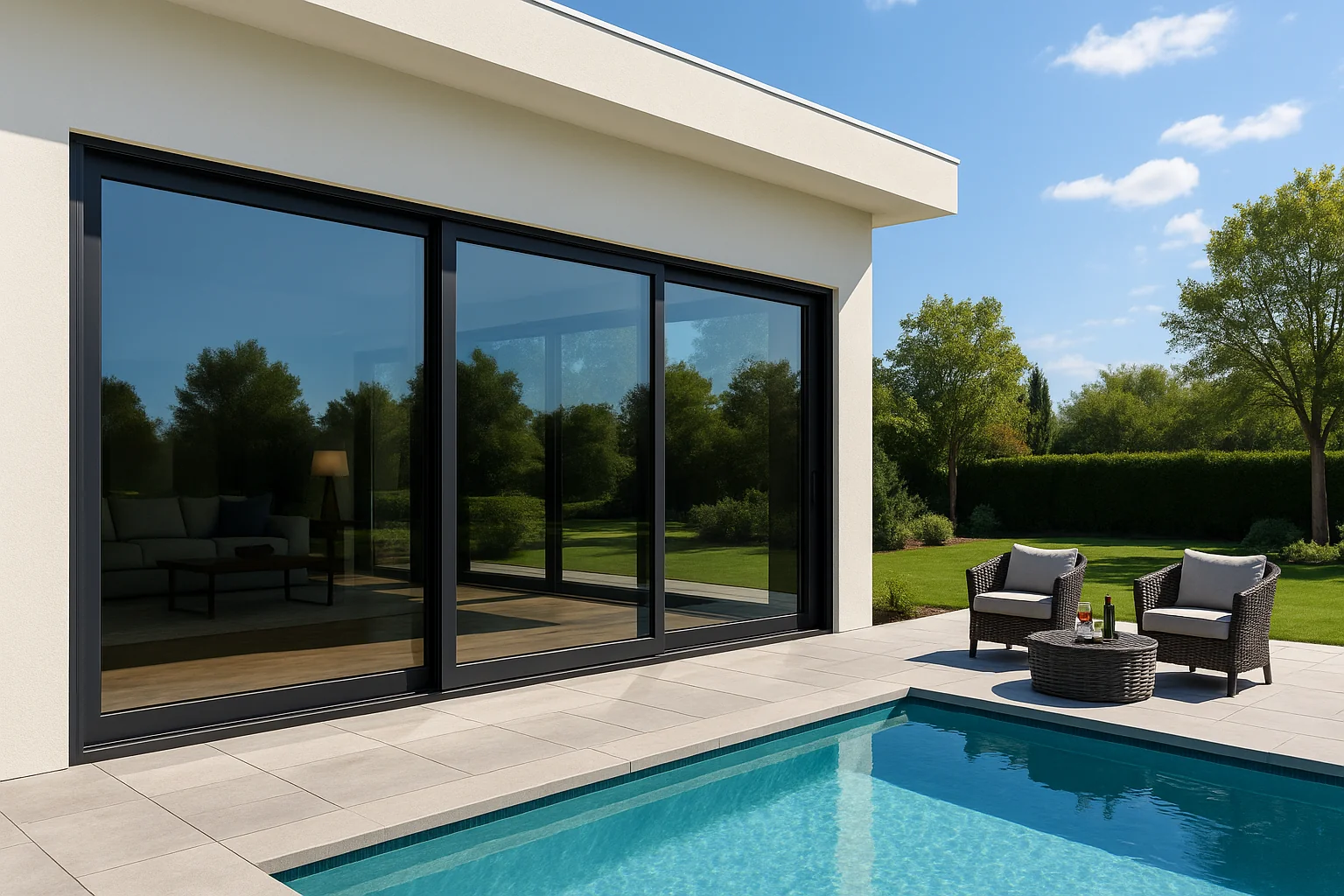

The layout of a home affects how comfortably people move between rooms and outdoor areas. A kitchen opening onto a garden, a living room connected to a terrace, or a dining space beside a courtyard can make the property feel more open and useful. Bi-fold doors are designed to support these arrangements by allowing multiple door panels to fold together along a track.
Unlike a conventional hinged door, which opens through a single section, a bi-fold system can create a much wider opening. This gives homeowners more flexibility when entertaining, enjoying fresh air, or using adjoining spaces for everyday activities. Bi fold doors are an excellent option for homeowners looking to create a seamless connection between indoor and outdoor living spaces. Good planning is essential, however, because panel size, track design, glazing, and installation determine how well the system performs.
Wide Openings Change the Feel of a Room
One of the main attractions of bi-fold doors is the amount of the opening that can be cleared when the panels are folded to one side or divided between both sides.
This arrangement works particularly well in living and dining areas that face a garden or patio. With the doors open, movement between the two spaces becomes easier, and the boundary between the interior and exterior feels less pronounced.
The effect depends on the size and position of the opening. A wide glazed installation can create a clear view of the garden even when the panels are closed, while opening the doors provides a direct route outdoors.
Bi-fold doors can also be used in extensions and renovated properties, although the structural opening may need assessment before installation. Large alterations to external walls should be planned with the appropriate building professional.
Natural Light Reaches Further Into the Home
Glazed bi-fold panels allow daylight to enter areas that might otherwise depend heavily on artificial lighting. This can be useful in open-plan kitchens, dining rooms, and family spaces positioned beside a garden.
The amount of daylight depends on the total glazed area, frame dimensions, glass specification, and the direction the doors face. A south-facing opening, for example, may receive different levels of direct sunlight from a north-facing one, depending on the home’s location and surrounding buildings.
Glass selection also affects indoor comfort. Low-emissivity glazing and solar-control options can help manage heat transfer and unwanted solar gain when selected for the climate and orientation.
Large glass areas can create glare or excessive heat if the specification is unsuitable. External shading, curtains, blinds, and thoughtful furniture placement can help manage these effects without sacrificing the view.
Creating a Practical Space for Entertaining
Bi-fold doors are useful for homes where indoor and outdoor areas are regularly used together. During a family gathering, the opening can connect the kitchen or dining room with a patio, making it easier for guests to move between the two spaces.
The arrangement also supports flexible furniture layouts. A dining table positioned near the doors can serve indoor meals during colder weather and remain close to the garden during warmer months.
Planning should account for the route through the opening. Outdoor furniture, planters, steps, and changes in floor level should not obstruct movement. The clear opening width and the way the folded panels stack will determine how much usable space remains.
A flush or low threshold may help create a more continuous transition between surfaces, but drainage, accessibility, weather protection, and applicable building requirements must all be considered.
Choosing a Frame and Glazing Specification
Bi-fold doors are available with aluminum, timber, and other frame materials. Aluminum is often chosen for its strength and relatively slim profiles, which can support large glazed panels while maintaining a clean architectural appearance.
The best option depends on the property, budget, maintenance preferences, and required thermal performance. Frame material alone does not determine how well the finished installation insulates or resists weather.
Check the following specifications before ordering:
- Thermal performance: Review the complete door system’s published insulation ratings.
- Weather resistance: Look for tested performance against air leakage and water penetration.
- Glazing: Choose glass suited to safety, insulation, noise control, and solar exposure.
- Hardware: Confirm the quality of hinges, rollers, handles, and locking mechanisms.
- Panel dimensions: Ensure the configuration suits the opening and can be operated comfortably.
- Finish: Select a finish appropriate for the building’s appearance and local conditions.
A supplier should explain how the chosen system meets the property’s requirements rather than relying on general claims about the material.
Ventilation and Day-to-Day Convenience
Opening bi-fold doors can increase natural ventilation when outdoor conditions are suitable. A wide opening allows fresh air to move into the home, especially when paired with windows or doors on another side of the building.
However, the amount of ventilation depends on wind direction, temperature differences, the surrounding layout, and the size of the opening. Screens or other barriers may also affect airflow.
Homeowners should consider how often they expect to open the doors. Some systems include a traffic door that operates independently, allowing people to pass through without folding every panel. This can be convenient for frequent trips to the garden.
The handle position, opening direction, panel stacking arrangement, and ease of locking should all be assessed before installation.
Weather Protection and Security
A large opening requires careful weatherproofing. The track, seals, drainage channels, threshold, and frame connections must work together to prevent unwanted water entry and air leakage.
The installer should follow the manufacturer’s instructions and ensure that the surrounding construction provides suitable support and drainage. Poor installation can cause sticking panels, water leaks, or gaps that affect indoor comfort.
Security also requires attention. Look for suitable locking points, reliable hardware, and glazing specified for the intended application. The frame must be securely fixed, and the complete installation should meet the relevant local security and building requirements.
Because bi-fold systems have several moving components, periodic checks are useful. Tracks should be kept clear of grit and leaves, and any change in operation should be investigated before it causes further wear.
Maintenance for Smooth Operation
Bi-fold doors depend on hinges, rollers, tracks, and locking components that need to remain in good condition. Cleaning the tracks helps prevent debris from interfering with panel movement.
Use a soft brush or vacuum to remove loose dirt, then clean surfaces according to the manufacturer’s instructions. Avoid adding lubricants unless they are recommended for the specific hardware, as unsuitable products may attract dust or damage components.
Check seals for signs of wear and inspect the frame for scratches or coating damage. Handles should operate without excessive force, and panels should fold without scraping.
If a door becomes difficult to move, avoid forcing it. The cause may involve track debris, alignment, worn rollers, or another mechanical issue that requires professional adjustment.
Planning the Outdoor Area Around the Doors
The outdoor layout should complement the door opening. A patio positioned close to the threshold creates a convenient route, while adequate space for seating allows the garden to function as an extension of the living area.
Consider privacy, sunlight, drainage, and the direction of prevailing winds. An exposed terrace may need wind protection, while a sunny patio might benefit from a pergola or suitable shading.
Flooring deserves particular care. Interior and exterior surfaces do not always need to match exactly, but their levels and finishes should be coordinated to reduce trip hazards and manage rainwater.
Furniture should be positioned so folded panels have enough clearance. Planning these details before construction can prevent costly changes later.
Making the Design Work for the Household
Bi-fold doors can provide broad views, generous daylight, and convenient access to outdoor living areas. Their value depends on choosing the right configuration and matching it to the property’s climate, architecture, and everyday routines.
Before committing, compare panel arrangements, threshold details, glass performance, hardware, and installation requirements. A well-planned system can make a garden or patio more accessible throughout the year while giving the interior a brighter, more open character.