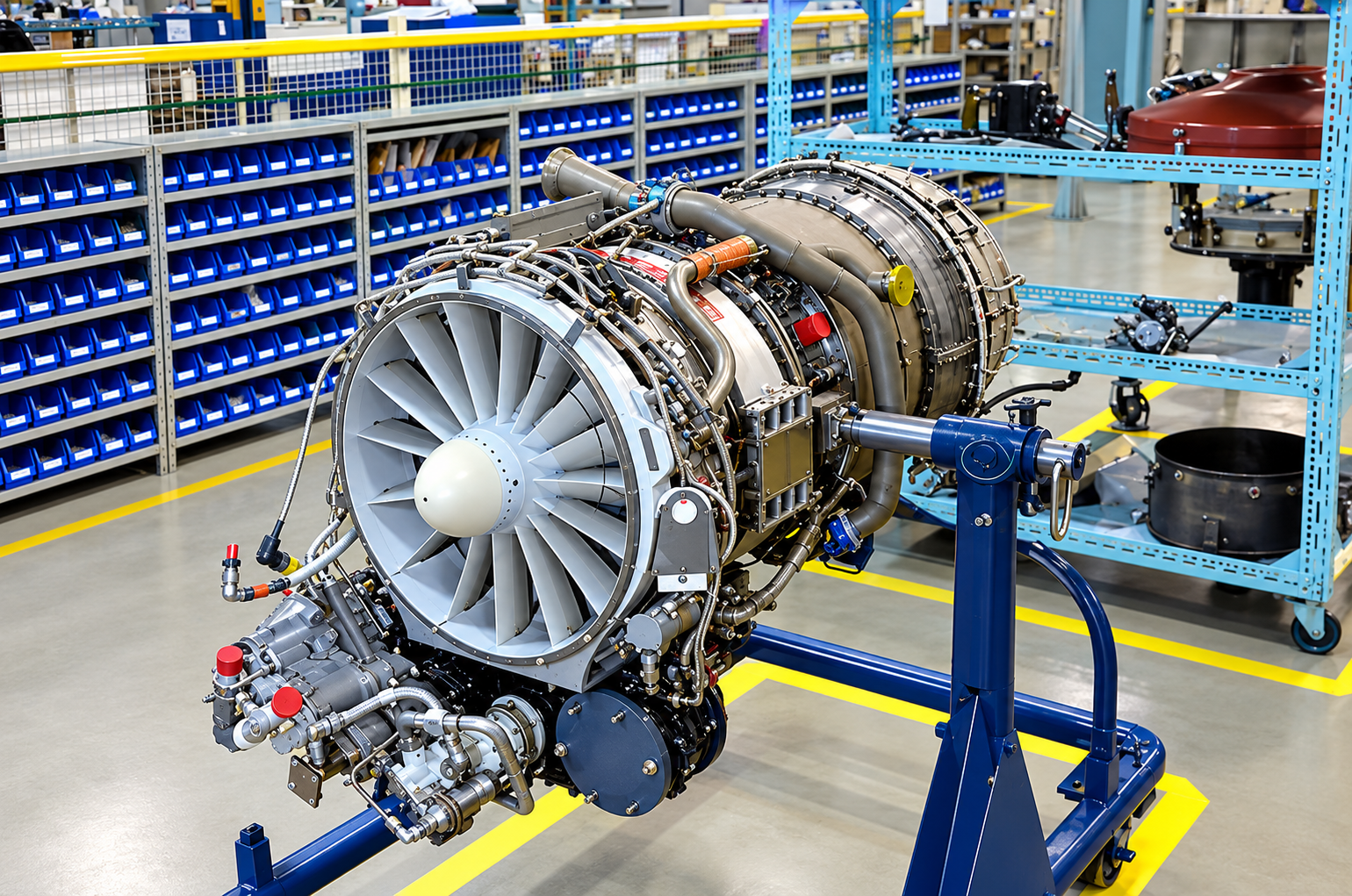

Gas turbines support electricity generation, industrial operations, aviation, and large-scale mechanical systems. Their performance depends on components that can withstand high temperatures, intense pressure, vibration, and repeated thermal cycling. Gas turbine parts manufacturing involves specialised engineering, carefully selected materials, precision machining, and rigorous inspection to produce components that meet demanding operating requirements. Understanding these processes helps plant operators, maintenance engineers, and procurement teams make informed decisions about replacement parts, equipment servicing, and long-term maintenance costs.
Why Precision Matters in Turbine Component Production
Gas turbines operate under demanding conditions, particularly in the combustion and turbine sections. Components such as blades, vanes, combustion liners, seals, shafts, and casings must maintain their dimensions and mechanical properties during continuous operation.
Even a small dimensional deviation can affect airflow, component clearances, vibration levels, or overall turbine efficiency. Poor surface finishes may also contribute to premature wear or stress concentration. Manufacturers therefore follow engineering drawings, material specifications, and defined inspection procedures throughout production.
Precision becomes especially important for replacement components. Parts must match the intended equipment design and operating requirements, including temperature limits, rotational speeds, and mechanical loads. Correct specifications reduce installation problems and help maintenance teams restore equipment performance safely.
Materials Used in Gas Turbine Components
Material selection depends on the component’s location, operating temperature, mechanical stress, and exposure to combustion gases. Different turbine sections require different material properties.
Nickel-based superalloys are commonly used for hot-section components because they retain strength at elevated temperatures and resist oxidation and creep. Turbine blades and vanes may use these alloys, with some designs incorporating internal cooling passages and protective coatings.
Stainless and alloy steels are used for selected structural components, shafts, fasteners, and other parts where strength, fatigue resistance, and corrosion performance are required.
Cobalt-based alloys can be suitable for components exposed to heat, wear, or corrosion, depending on the application.
Manufacturers may also apply thermal barrier coatings to selected hot-section parts. These coatings help reduce the temperature experienced by the underlying material, provided the coating system is appropriate for the component design and service conditions.
The correct material must be verified against the original equipment manufacturer’s specifications or an approved engineering design. Substituting a material solely because it has similar dimensions can introduce serious performance and safety risks.
Manufacturing Methods That Shape Turbine Parts
The production process varies according to component geometry, material, and intended application. Several methods are commonly used in turbine component production.
Casting for Complex Geometries
Investment casting is widely associated with turbine blades and vanes because it can produce intricate shapes and internal cooling passages. Specialised casting processes may be required for components made from high-temperature alloys.
Casting quality depends on temperature control, mould preparation, alloy composition, and solidification conditions. Manufacturers inspect castings for defects such as cracks, inclusions, porosity, and dimensional inconsistencies.
CNC Machining for Accurate Dimensions
Computer numerical control (CNC) machining removes material to achieve specified dimensions, surface finishes, and geometric tolerances. It is used for shafts, housings, flanges, precision features, and finishing operations on cast or forged components.
Machining difficult alloys requires appropriate cutting tools, stable fixturing, and controlled processing parameters. Measurement checks throughout production help identify deviations before a component reaches final inspection.
Forging and Specialised Fabrication
Forging can improve mechanical properties by shaping metal under compressive force. Depending on the design, forged materials may be used for shafts, discs, and other highly loaded components.
Fabrication processes are also used for certain casings, brackets, ducts, and structural assemblies. Welding procedures, heat treatment, and post-production inspection must follow the applicable engineering requirements.
Quality Control and Component Testing
Quality assurance is essential because turbine components can be exposed to significant mechanical and thermal stresses. A documented inspection process helps establish that each part meets its design requirements.
Common quality checks include:
- Dimensional inspection: Confirms critical measurements, clearances, and geometric tolerances.
- Non-destructive testing: Methods such as dye penetrant, magnetic particle, radiographic, or ultrasonic testing are selected according to the material and defect being investigated.
- Material verification: Checks alloy identity, material certificates, and specified mechanical properties.
- Surface inspection: Identifies cracks, machining marks, coating defects, and other visible irregularities.
- Traceability records: Connect components to their material batches, manufacturing stages, inspection results, and relevant documentation.
Not every test applies to every component. Inspection requirements should reflect the component design, material, service conditions, and applicable standards. Buyers should request evidence of compliance rather than relying solely on general quality claims.
Choosing the Right Manufacturing Partner
Selecting a manufacturer requires more than comparing quoted prices. Buyers should assess technical capability, production capacity, documentation, delivery reliability, and experience with the relevant turbine model or component category.
A capable turbine parts supplier should be able to explain material specifications, dimensional requirements, inspection procedures, and traceability arrangements. Ask whether parts are original equipment, approved replacements, or independently manufactured alternatives. These categories may have different approval requirements and warranty conditions.
Review the supplier’s experience with the specific component, especially if it involves hot-section materials, complex cooling passages, precision-machined surfaces, or protective coatings. Request drawings, material certificates, inspection reports, and relevant conformity documentation where appropriate.
A turbine parts manufacturing company should also be evaluated on its ability to communicate technical limitations, manage non-conforming parts, and provide clear delivery commitments. Before placing an order, confirm that the component is suitable for the intended turbine model and that installation will comply with the equipment manufacturer’s requirements.
Maintenance, Replacement Parts, and Generator Repair
Turbine reliability depends on both component quality and an effective maintenance programme. Operators typically monitor operating temperatures, vibration, pressure, output, and other performance indicators to identify developing problems. Inspection findings help determine whether a component can remain in service, requires refurbishment, or must be replaced.
Wear, thermal fatigue, corrosion, erosion, and foreign-object damage can affect turbine components over time. Scheduled inspections and condition monitoring help maintenance teams identify these issues before they lead to more serious equipment damage.
For facilities experiencing electrical output problems, generator repair may involve a separate set of diagnostic procedures. Technicians may inspect windings, bearings, insulation, cooling systems, electrical connections, and excitation equipment, depending on the symptoms. A generator fault should not automatically be attributed to the turbine; both mechanical and electrical systems may require investigation.
Businesses searching online for generator repair near me should check the service provider’s experience with their generator type, availability of suitable replacement components, testing facilities, and emergency response arrangements. A qualified technician should establish the fault before recommending repairs or component replacement.
Managing Costs Without Compromising Reliability
The purchase price is only one part of the cost of a turbine component. Lead times, installation labour, inspection requirements, equipment downtime, warranty coverage, and expected service life can all affect the total expenditure.
Standardising approved spare parts where practical can simplify inventory management. Maintaining records of previous failures and component service life can also help procurement teams forecast replacement needs.
Cheap parts may create additional expenses if they require rework, fail prematurely, or lack the documentation needed for acceptance. Equally, the most expensive option is not automatically the best choice. Buyers should compare technically suitable alternatives using verified specifications, quality evidence, delivery terms, and lifecycle costs.
Building a Reliable Turbine Maintenance Strategy
Effective turbine maintenance starts with accurate component identification, appropriate engineering specifications, and a clear understanding of operating conditions. Careful manufacturing, documented quality checks, and suitable replacement parts help reduce avoidable failures and support dependable equipment operation.
For plant operators and procurement professionals, the most useful purchasing decision is one supported by technical evidence rather than price alone. Matching the component to the equipment, verifying manufacturing quality, and working with qualified maintenance specialists can help protect operational performance and control long-term costs.