ByJohn A
Marine Vinyl Quilting: Patterns, Materials, Benefits, and Customisation Options
Marine vinyl quilting is a popular upholstery technique for adding texture, visual depth, and a refined finish to boat interiors. It combines marine vinyl with backing materials and decorative stitching to create raised patterns suitable for different seating and upholstered surfaces. From cabin seating to helm chairs and selected cockpit cushions, quilted vinyl offers design flexibility while helping boat owners coordinate upholstery with their vessel’s overall style.
Choosing the right marine vinyl quilting involves more than selecting an attractive pattern. Material quality, foam thickness, thread selection, environmental exposure, and fabrication methods all influence the finished result. Understanding these factors helps you select quilted upholstery that suits the intended application, appearance preferences, and maintenance requirements.
What Is Marine Vinyl Quilting?
Marine vinyl quilting is an upholstery construction technique in which vinyl and a backing material are stitched together to produce a dimensional pattern. The stitching creates defined sections, giving the surface a textured appearance compared with conventional flat vinyl.
The materials and construction should be selected according to where the upholstery will be installed. Interior panels may prioritise appearance and cushioning, while surfaces exposed to sunlight, moisture, and frequent use require suitable material specifications and careful fabrication.
How Quilted Marine Vinyl Is Manufactured
Quilted marine vinyl is produced by combining a vinyl face material with an appropriate backing, which may include foam or another cushioning layer. Stitching follows a planned pattern to hold the layers together and establish the design.
The manufacturing process can involve specialised quilting equipment or manual techniques, depending on the pattern, material thickness, and production requirements. Consistent stitching and accurate alignment help create an even finish. The suitability of the finished material also depends on the quality of the vinyl, backing, thread, and construction method.
The Role of Foam Backing and Stitching
Foam backing contributes to the thickness, softness, and overall feel of quilted upholstery. Its density and thickness affect how the material responds to pressure and how easily it can be fitted around the intended surface.
Stitching defines the pattern and helps secure the material layers. Stitch density, thread quality, and seam placement influence the appearance and construction of the finished panel. Because stitching can introduce openings through the vinyl, the suitability of quilted material for wet or exposed locations should be evaluated carefully.
Differences Between Flat Marine Vinyl and Quilted Upholstery
Flat marine vinyl has a comparatively smooth surface and is often selected for straightforward upholstery applications. Quilted upholstery adds texture through stitched patterns and backing layers, creating a more pronounced finish.
The best option depends on the design and practical requirements of the project. Flat vinyl may be easier to wipe across uninterrupted surfaces, while quilted vinyl can offer additional visual detail and a cushioned feel. Quilted construction also introduces stitching that requires appropriate cleaning and inspection.
What Are the Benefits of Marine Vinyl Quilting?
Quilted marine vinyl combines decorative flexibility with the practical qualities of a suitable upholstery material. Its benefits depend on the vinyl specification, backing construction, stitching quality, and intended installation.
When these factors are considered together, quilting can help create coordinated boat interiors without relying on colour alone to distinguish individual surfaces.
Adding Texture and Dimension to Boat Interiors
Quilting introduces depth through raised sections and recessed stitching lines. This creates visual variation across seats, panels, and other upholstered surfaces, helping an interior feel more detailed and coordinated.
Pattern choice influences the overall effect. Smaller geometric designs can create a structured appearance, while larger patterns may produce a bolder finish. The scale should complement the dimensions of the surface rather than overwhelm the surrounding interior.
Creating a More Cushioned Upholstery Surface
When quilted vinyl incorporates suitable foam backing, it can provide a softer surface than vinyl without cushioning. The level of comfort depends on the foam’s thickness, density, and interaction with the underlying seat or panel construction.
Quilting itself does not guarantee improved support or comfort. For seating, the foam beneath the upholstery and the overall seat design remain important considerations. Material samples can help you assess the texture and feel before committing to a larger project.
Coordinating Upholstery With a Boat’s Interior Design
Quilted vinyl is available in different colours, patterns, and decorative finishes, allowing upholstery to complement a vessel’s interior palette. Matching or coordinating seat panels, cabin surfaces, and trim can create a consistent visual theme.
A successful design balances the quilted sections with simpler materials. Using a clear pattern direction and a considered colour combination can help prevent the interior from appearing visually crowded.
Balancing Appearance, Comfort, and Maintenance
The most suitable quilted upholstery balances design preferences with everyday use. Consider how often the surface will be used, whether it will encounter moisture, and how easily the material can be cleaned.
More elaborate patterns may create a distinctive appearance, but their stitching lines and recessed areas can require additional attention during cleaning. Selecting suitable marine vinyl and following the manufacturer’s care instructions can help preserve the material’s finish.
Popular Marine Vinyl Quilting Patterns and Finishes
Pattern selection affects the character of the upholstery and how well it works with surrounding surfaces. Consider the size of the panel, the direction of the pattern, and the desired level of contrast before choosing a finish.
Diamond Quilting and Geometric Patterns
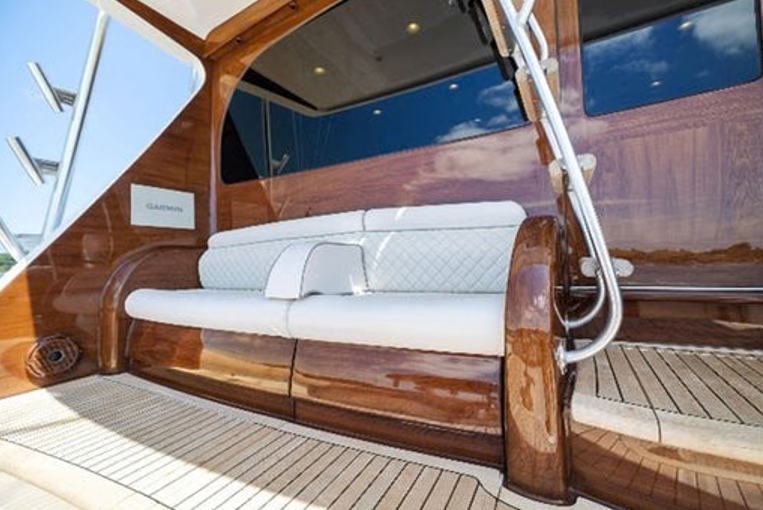
Diamond quilting creates repeated diamond-shaped sections through diagonal stitching. It is a recognisable option for marine seating because it introduces structure and dimension across a surface.
Other geometric patterns may use squares, rectangles, or repeated angular shapes. The spacing and size of each section influence the finished appearance. Pattern proportions should suit the available panel area so that the design looks balanced once the upholstery is fitted.
Channel Stitching and Pleated Designs
Channel stitching creates parallel stitched lines that divide the surface into long sections. Depending on the backing and fabrication method, the result may appear relatively flat or more padded.
Pleated designs produce a different visual effect through folded or shaped sections of material. These approaches can suit upholstery that calls for a linear design, but the material’s thickness and intended application should be assessed before selecting a construction method.
Custom Stitch Patterns and Decorative Panels
Custom quilting allows the pattern to be adapted to specific dimensions and design preferences. This can include changing the spacing, orientation, or layout of the stitched sections.
Decorative panels can also combine quilted areas with flat vinyl to create contrast. Before fabrication, confirm the panel dimensions, seam locations, pattern alignment, and how adjoining pieces will meet. These details are especially important when multiple panels must form a consistent design.
Choosing Thread Colours and Contrasting Finishes
Thread colour can either blend into the vinyl or provide a contrasting outline around each quilted section. Matching thread produces a more understated finish, while contrast stitching makes the pattern more prominent.
Thread suitability matters as much as appearance. The thread should be appropriate for the intended marine application, and the selected colour should complement the vinyl rather than distract from the overall design.
Where Can Quilted Marine Vinyl Be Used?
Quilted marine vinyl can be considered for several upholstered areas, provided the material and construction are appropriate for the exposure and intended use. Not every quilted product is suitable for every location, so check its specifications before ordering.
Salon Seating and Cabin Upholstery
Interior salon seating and cabin upholstery can benefit from quilted vinyl’s textured finish. These areas often provide more control over direct weather exposure, although humidity, condensation, and regular use still matter.
Choose colours and patterns that coordinate with nearby trim, cabinetry, and other surfaces. Foam thickness should also suit the seating design and the dimensions of the upholstery panels.
Helm Chairs and Captain’s Seating
Helm chairs require upholstery that accommodates frequent contact, movement, and the environmental conditions around the helm. Quilted vinyl can provide a distinctive finish, but the material must be appropriate for the amount of sunlight and moisture it may encounter.
Consider the seat’s shape, seams, and areas that experience repeated pressure. Accurate panel dimensions and suitable construction help the upholstery fit properly without unnecessary strain on the stitching.
Cockpit Cushions and Bench Seating
Cockpit cushions and bench seating may experience direct sunlight, rain, spray, and temperature changes. For these applications, verify that the vinyl, thread, backing, and overall construction are suitable for the expected exposure.
Also consider how water may drain from the seating and whether the cushion design allows appropriate ventilation. Quilted surfaces should not be assumed to be waterproof simply because the face material is marine vinyl.
Headliners, Wall Panels, and Other Upholstered Surfaces
Quilted vinyl can be used on selected headliners, interior wall panels, and decorative surfaces where a dimensional finish is desired. The backing, panel weight, installation method, and attachment system should match the substrate.
For overhead applications, secure installation is particularly important. Confirm that the completed panel is suitable for its mounting position and that the added thickness does not interfere with adjacent fittings or trim.
How to Choose the Right Quilted Marine Vinyl
Selecting the right material requires balancing design, construction, and environmental requirements. A pattern that works well for protected interior seating may not be the best choice for an exposed cockpit cushion. Review the product specifications and intended use before making a decision.
Evaluating Marine Vinyl Quality and Performance Specifications
Check the manufacturer’s information for UV resistance, moisture suitability, abrasion resistance, and cleaning recommendations. These specifications help determine whether the vinyl is appropriate for the location where it will be installed.
Also consider the face material, backing construction, and thread used in the quilting. Do not assume that every product described as marine vinyl has identical performance characteristics. Compare documented specifications rather than relying on appearance alone.
Selecting Foam Thickness and Backing
Foam thickness affects the finished panel’s profile, flexibility, and feel. Thicker backing may provide more cushioning but can also affect how easily the material follows curves and fits around corners.
Choose backing according to the application and upholstery design. Confirm that the complete material construction is suitable for the intended installation, particularly where panels need to wrap around shaped surfaces or fit closely with other components.
Choosing Stitch Density and Pattern Scale
Stitch density influences the visual definition of the quilted pattern and the spacing of its sections. Pattern scale should be proportionate to the seat or panel dimensions, while the stitching layout should allow for accurate fitting and alignment.
Ask about available patterns and material limitations before finalising the design. The most suitable option is one that achieves the desired appearance without compromising the practical requirements of the upholstery.
Considering UV Exposure, Moisture, and Cleaning Requirements
Sunlight can affect upholstery colour and material condition over time, while moisture may contribute to problems around stitching or poorly maintained seams. Select materials according to the exposure expected in the installation area.
Consider how the upholstery will be cleaned and dried. Following the manufacturer’s care instructions and inspecting vulnerable areas regularly can help identify wear before it becomes more extensive.
Custom Marine Vinyl Quilting and Fabrication
Custom quilting provides flexibility in pattern, colour, and panel dimensions. Successful results depend on clear specifications, suitable materials, and an accurate understanding of how the finished upholstery will be installed.
For material selection and product information, Canvas Designers offers a starting point for exploring marine upholstery options. Before deciding on a particular quilted finish, compare the available choices with your project’s measurements, exposure conditions, and design requirements.
Customising Patterns, Colours, and Embroidery
Depending on the available options, customisation may include selecting a quilting pattern, vinyl colour, thread colour, or decorative embroidery. These choices should work together to create a consistent design.
Confirm which options are available for the selected material and whether embroidery or additional stitching is suitable for the intended environment. Decorative details should be planned before fabrication so they can be positioned correctly.
Understanding CNC Quilting and Manual Stitching
CNC quilting uses computer-controlled equipment to follow programmed patterns. It can support repeatable layouts and consistent spacing when the material, design, and machine settings are suitable.
Manual stitching can offer flexibility for particular fabrication requirements, depending on the equipment and skill involved. Neither method guarantees a better result in every situation. Consider pattern complexity, production requirements, material thickness, and the quality controls used during fabrication.
Preparing Dimensions and Specifications for Custom Panels
Accurate measurements help ensure that quilted material suits the intended surface. Record panel length and width, required curves, seam allowances, attachment points, and any openings or cut-outs.
Also communicate the preferred pattern direction and how the design should align across adjoining panels. Confirm measurement units and provide a clear layout where multiple pieces need to match.
What to Confirm Before Ordering Quilted Upholstery Fabric
Before ordering, check the material specifications, available patterns, colour options, backing thickness, and minimum order requirements where applicable. Ask whether the product is supplied as quilted material or as finished upholstery components.
Confirm expected lead times, cutting requirements, and whether the selected construction is appropriate for your application. Reviewing these details beforehand can reduce uncertainty and help ensure the material meets the project’s design and installation needs.
How to Clean and Maintain Quilted Marine Vinyl
Routine care helps maintain the appearance of quilted upholstery and allows developing wear to be identified. Cleaning requirements vary by product, so always follow the manufacturer’s instructions before using a cleaning solution.
Routine Cleaning With Suitable Products
Remove loose dust and debris with a soft cloth or suitable vacuum attachment. Clean the vinyl using a mild product approved for the material and a soft cloth, following the recommended dilution and rinsing instructions.
Avoid allowing cleaning solutions or moisture to remain trapped around seams. Where the product instructions permit, wipe away residue and allow the surface to dry thoroughly.
Removing Dirt Without Damaging Stitches or Finishes
Clean recessed stitching lines carefully because dirt can collect around the quilted sections. Use a soft cloth or soft-bristled brush rather than aggressive scrubbing tools.
Test any new cleaner on a small, inconspicuous area first. Avoid pulling at loose threads or applying excessive pressure to the stitching, as this may worsen existing damage.
Inspecting Seams and Foam-Backed Panels
Inspect seams, stitching lines, and panel edges for fraying, separation, discolouration, or signs of deterioration. Check foam-backed sections for changes in shape or areas that no longer sit correctly.
Address minor issues promptly and seek appropriate repair when stitching or backing has become damaged. Repair suitability depends on the location and extent of the wear.
Common Cleaning Products and Practices to Avoid
Avoid abrasive pads, harsh solvents, bleach, and unapproved chemical cleaners that may affect the vinyl, thread, or finish. Do not use high heat or aggressive pressure washing unless the manufacturer specifically confirms that the method is suitable.
Regular maintenance with compatible products is generally preferable to harsh cleaning when dirt becomes difficult to remove.
Frequently Asked Questions About Marine Vinyl Quilting
What Is Marine Vinyl Quilting?
Marine vinyl quilting is a process that joins vinyl and backing materials with decorative stitching to create a raised or dimensional pattern. It is used for selected boat upholstery applications where texture and design are important.
Is Quilted Marine Vinyl Suitable for Outdoor Boat Upholstery?
It can be suitable when the specific vinyl, thread, backing, and construction are designed for the expected outdoor conditions. Check UV and moisture suitability before using quilted material on exposed seating or cushions.
Which Quilting Pattern Is Best for Boat Seats?
Diamond quilting, geometric designs, and channel stitching are common options. The best choice depends on seat dimensions, preferred appearance, material flexibility, and how the upholstery will be used and maintained.
Can Marine Vinyl Quilting Be Customised?
Customisation may include pattern selection, thread colour, vinyl colour, embroidery, and panel dimensions, depending on the available product options. Confirm the manufacturer’s capabilities and specifications before ordering.
How Do You Clean Quilted Marine Vinyl?
Use a soft cloth and a cleaner approved for the particular vinyl. Pay attention to stitched areas, remove cleaning residue as directed, and allow the surface to dry. Avoid harsh chemicals and abrasive tools that could damage the material.
Conclusion: Choose Quilted Marine Vinyl for Your Upholstery Project
Marine vinyl quilting offers a way to combine texture, cushioning, and coordinated design across selected boat upholstery surfaces. Choosing the right material involves evaluating the quilting pattern, foam backing, stitching, environmental exposure, and maintenance requirements together.
Before placing an order, confirm the product specifications, take accurate measurements, and ensure that the construction is appropriate for the intended location. If you need clarification about product options or suitability, use the contact page to submit your enquiry.