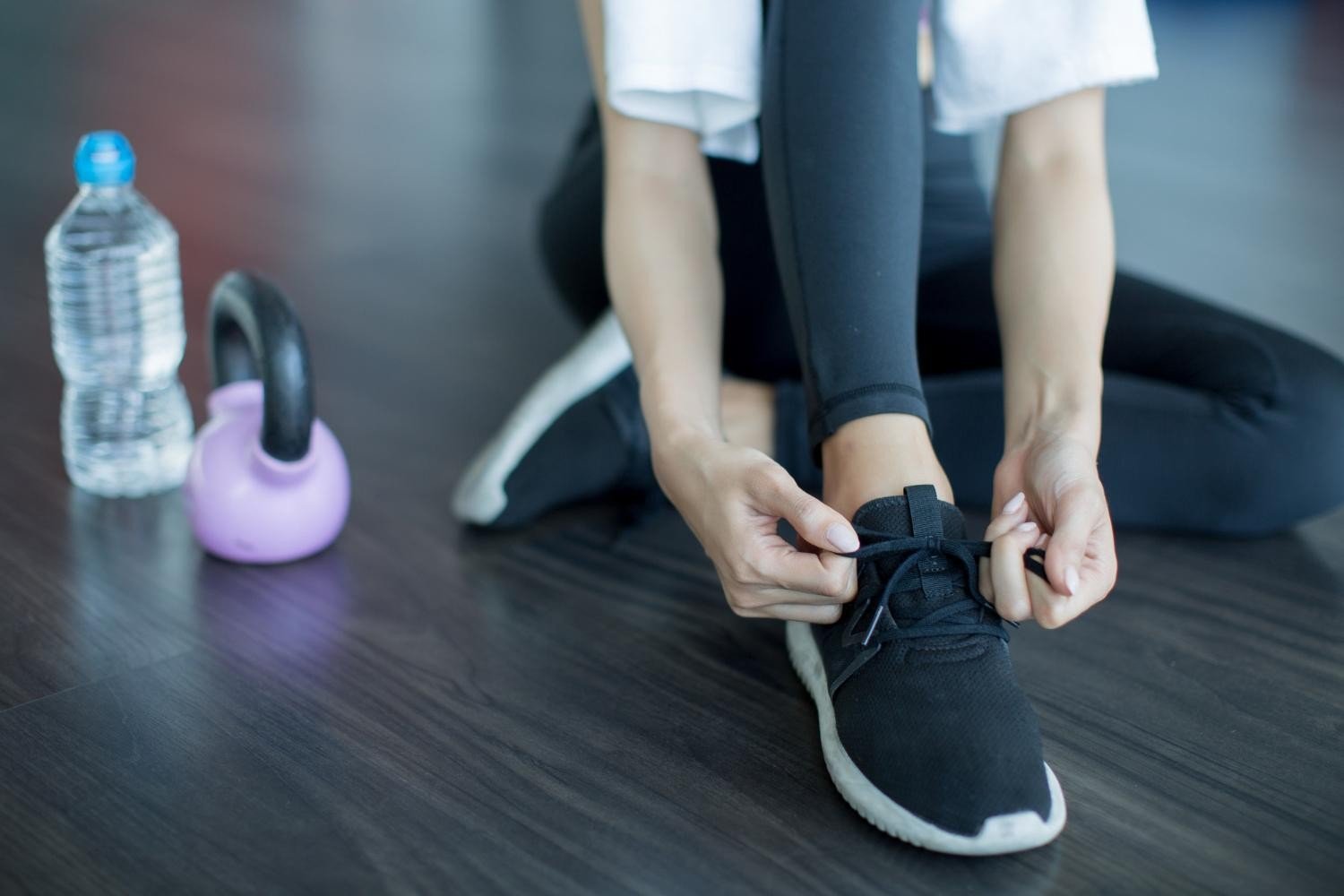

Choosing the right footwear can make your strength training sessions more comfortable and consistent. Whether you spend most of your time performing squats, deadlifts, or full-body workouts, your shoes influence how your feet interact with the floor. A suitable pair should provide a stable foundation, fit securely, and match the movements you perform regularly.
Many gym enthusiasts purchase their shoes based on appearance, brand popularity, or recommendations from other athletes. However, the footwear that works well for one person may not suit another person’s training style. Your exercise selection, foot shape, preferred lifting technique, and experience level should all influence your decision.
Best Lifting shoes are available in different designs, ranging from flat, firm-soled options to specialized models with elevated heels. Understanding these differences can help you select footwear that supports your training goals without spending money on features you do not need.
1. Identify Your Primary Training Style
Before comparing different shoes, consider which exercises make up most of your workout. The right footwear for someone who focuses on powerlifting may differ from the shoes preferred by an athlete who performs Olympic weightlifting or general strength training.
Start by identifying your main activities and the movements you perform most frequently.
Powerlifting and Heavy Strength Training
Powerlifting focuses on three main lifts: the squat, bench press, and deadlift. Although bench pressing places different demands on footwear than standing lifts, your shoes can still influence foot placement and comfort.
For squats and deadlifts, many lifters prefer footwear that provides a predictable base and keeps their feet securely positioned.
Consider these features:
- A firm sole that does not compress excessively under load.
- A secure fit around the heel and midfoot.
- Reliable traction on the gym floor.
- A design that supports your preferred stance.
- Suitable heel height for your lifting technique.
Some powerlifters prefer elevated-heel shoes for squats, while others use flat footwear. For deadlifts, a low-profile sole may be preferable because it keeps the foot closer to the floor.
Your choice should reflect your technique and the rules of any competition in which you participate.
Olympic Weightlifting
Olympic weightlifting includes the snatch and the clean and jerk. These movements involve rapid transitions, coordination, and receiving the bar in a squat or partial squat position.
Specialized weightlifting shoes commonly feature a firm platform, secure fastening, and an elevated heel.
These characteristics may help athletes maintain a consistent foot position and achieve positions that suit their lifting technique.
If Olympic lifting is your primary activity, compare the heel height, sole firmness, and fit of different models. The shoe should feel stable during controlled practice rather than forcing you into an unfamiliar position.
General Gym Training
Some people combine resistance training with lunges, machines, conditioning intervals, and bodyweight exercises.
If your routine includes a wide variety of activities, a versatile training shoe may be more practical than highly specialized footwear.
Look for a design that balances stability, flexibility, traction, and comfort. If you perform heavy barbell lifts alongside running or jumping, consider whether one pair can meet all your needs or whether separate shoes would be more appropriate.
2. Understand the Difference Between Flat and Elevated-Heel Shoes
Heel design is one of the most important factors to consider when selecting lifting footwear. Some shoes have a relatively flat sole, while specialized weightlifting models feature an elevated heel.
Neither design is automatically better for every exercise.
Flat-Soled Shoes
Flat footwear places the heel and forefoot at a relatively similar height. This design is popular among lifters who prefer a low-profile base, particularly for deadlifts and certain strength exercises.
Potential advantages include:
- A lower heel-to-toe profile.
- A consistent feeling of contact with the floor.
- Suitability for lifters who prefer flat footwear.
- A design that may work well for several basic strength exercises.
However, a flat shoe does not automatically suit everyone. Your ankle mobility, stance, and squat technique can affect how comfortable it feels.
Elevated-Heel Shoes
Elevated-heel shoes raise the heel relative to the forefoot. This changes the starting position of the ankle and can make certain squat positions easier to achieve.
An elevated heel may help some lifters maintain a more upright torso or reach their preferred squat depth without lifting their heels from the floor.
These shoes are commonly used for Olympic weightlifting and may suit people who prefer an elevated platform for squats.
However, the additional heel height may not be ideal for every deadlift variation. Consider the requirements of your main exercises before choosing this design.
3. Choose the Right Level of Sole Firmness
Sole firmness affects how your footwear responds when you apply force against the ground.
For heavy lifting, many athletes prefer a firm platform because it provides a consistent base without the noticeable compression that can occur with soft cushioning.
Why Firmness Matters
During a squat, your body moves through several positions while you maintain balance under the bar. A sole that feels unstable or compresses unevenly may make it harder to maintain a consistent foot position.
When evaluating footwear, consider:
- Whether the sole feels stable under your body weight.
- Whether the platform compresses noticeably when you shift your weight.
- Whether the shoe remains balanced during controlled squats.
- Whether the sole feels appropriate for your lifting technique.
A very firm shoe is not necessarily the best option for every workout. If you perform conditioning exercises or spend considerable time running, you may prefer footwear with different cushioning characteristics for those activities.
For people who primarily lift weights, however, a stable platform is often an important consideration.
4. Pay Attention to Fit and Foot Shape
A shoe’s construction matters, but the fit must also suit your individual feet. Shoes that are too narrow, too loose, or poorly shaped can become uncomfortable during repeated lifting movements.
The goal is to keep your foot secure without creating unnecessary pressure.
Check the Toe Box
Your toes should have enough room to spread naturally while maintaining a comfortable position on the platform.
A cramped toe box can create pressure around the big toe and little toe, particularly when you adopt a wider squat stance.
When trying on shoes:
- Stand with your feet in your normal lifting position.
- Check for pressure along the sides of your toes.
- Perform a few controlled bodyweight squats.
- Make sure your foot does not slide excessively inside the shoe.
Evaluate the Heel and Midfoot
The heel should remain secure during normal movement. Excessive slipping can create friction and make the shoe feel less reliable.
The midfoot should feel supported without excessive tightness. Adjustable laces or straps can help you customize the fit, but they should not be tightened enough to cause pain or numbness.
If you have wider feet, check the available width options instead of automatically choosing a longer size.
Try the Shoes With Your Training Socks
Sock thickness can affect how footwear fits. If you normally lift in thicker socks, try the shoes with a similar pair.
Walk around and perform controlled movements before deciding whether the fit is suitable. A shoe that feels comfortable while standing may feel different when you bend your knees or shift your weight.
5. Consider Your Main Lifts Before Buying
Different exercises place different demands on footwear. Understanding these differences can help you avoid purchasing shoes that are unsuitable for your routine.
Squats
Squats require you to maintain balance while your knees and hips bend. The right footwear should provide a stable base and allow a comfortable stance.
Some lifters benefit from an elevated heel, while others prefer flat shoes. Your ankle mobility, body proportions, stance, and preferred squat style all influence the choice.
Deadlifts
During deadlifts, many lifters prefer a firm, low-profile sole that keeps their feet close to the floor.
A lower heel-to-toe profile may suit conventional deadlifts and other pulling variations. However, individual preferences and competition rules can affect the final choice.
Olympic Lifts
The snatch and clean and jerk involve rapid movements and receiving the bar in a squat position. Specialized weightlifting shoes may be useful because of their firm platforms and elevated heels.
A secure fit is particularly important because the athlete must control foot placement throughout the movement.
Lunges and Accessory Exercises
If your workout includes lunges, split squats, and other accessory movements, choose footwear that remains comfortable as your weight shifts between your legs.
You should be able to maintain balance without excessive movement inside the shoe.
If your routine includes substantial running or jumping, a dedicated cross training shoe may provide a more appropriate balance for those activities.
6. Evaluate Traction and Grip
Traction helps your shoes maintain contact with the floor during lifting. A suitable outsole can provide a more predictable feeling when you push against the ground or change your foot position.
When comparing lifting footwear, examine the outsole material and tread pattern.
Look for:
- Reliable grip on the surfaces where you train.
- An outsole that feels stable during controlled movements.
- Materials suitable for regular gym use.
- A tread pattern that does not create an unstable feeling underfoot.
The best grip depends partly on your gym’s flooring. Rubber mats, smooth indoor floors, and other surfaces may interact differently with the outsole.
Keep your shoes clean and check them for wear. Dust, moisture, and deteriorating tread can affect traction.
7. Choose Materials That Support Regular Training
Lifting shoes are exposed to repeated pressure, friction, and movement. The materials used in the upper, outsole, and fastening system can influence their comfort and durability.
Upper Construction
The upper should hold your foot securely while allowing comfortable movement. Some models use reinforced materials to provide additional structure, while others prioritize flexibility and breathability.
Consider how the upper fits around your toes, midfoot, and heel. Reinforcement is useful only if the construction also suits your foot shape.
Fastening Systems
Many lifting shoes use laces, straps, or a combination of both. These features can help secure the foot and reduce excessive movement inside the shoe.
Check that the fastening system is easy to adjust and remains secure during exercise.
Outsole Durability
The outsole should withstand repeated contact with the gym floor. Examine the construction and look for signs of premature wear if you are purchasing a display pair or previously used footwear.
Regular inspection can help you identify when the shoes no longer provide the stability or traction you need.
8. Select Footwear Based on Your Experience Level
Your experience level can help determine how specialized your footwear needs to be.
Beginners
If you are new to strength training, start with a comfortable pair that offers a stable platform for your main exercises.
You may not need specialized Olympic weightlifting shoes if your routine mainly includes machines, dumbbells, and moderate barbell work.
Focus on learning proper technique and understanding your training preferences before investing in equipment designed for highly specific movements.
Intermediate Lifters
As your training becomes more structured, you may begin to notice differences in how footwear affects your comfort and preferred lifting positions.
If you regularly perform heavy squats, deadlifts, or Olympic lifts, compare specialized options with your existing training shoes.
Consider whether the design supports your technique and whether the added features justify the price.
Experienced Lifters
Experienced lifters often have established preferences for heel height, sole firmness, and fit.
If you have a consistent training program, choose shoes that match your main lifts and allow you to maintain familiar movement patterns.
You should also consider competition requirements if you participate in organized powerlifting or weightlifting events.
9. Compare Price, Quality, and Overall Value
Lifting shoes are available at different price points. The most expensive model is not necessarily the most suitable, and an inexpensive pair may not provide the features your training requires.
Instead of focusing only on price, compare the following:
- Construction: Check the sole, upper, and fastening system.
- Fit: Make sure the shoe accommodates your foot shape.
- Intended use: Confirm that the design suits your primary exercises.
- Durability: Consider how well the materials are suited to frequent use.
- Return policy: Review the conditions for exchanges or refunds.
- Long-term value: Consider how often you will use the shoes.
If you shop online, review the manufacturer’s size chart and product specifications. Different models can fit differently, even when they come from the same brand.
A suitable pair should meet your training needs and budget without requiring you to compromise on basic comfort.
10. Common Mistakes to Avoid When Choosing Lifting Shoes
Selecting footwear without considering your routine can lead to unnecessary discomfort or poor value.
Avoid these common mistakes:
- Buying based on appearance alone: Focus on fit and construction before color or design.
- Assuming elevated heels are always better: Different exercises and lifters have different requirements.
- Ignoring sole firmness: Soft cushioning may not provide the stable feeling you prefer for heavy lifting.
- Choosing the wrong size: Excessive movement or tightness can make training uncomfortable.
- Expecting shoes to correct technique: Proper coaching, practice, and appropriate loading remain essential.
- Using one pair for every activity: Dedicated footwear may be more suitable if your routine includes substantial running alongside heavy lifting.
Taking time to compare your options can help you select footwear that complements your training instead of creating unnecessary limitations.
Frequently Asked Questions
1. What are lifting shoes designed for?
Lifting shoes are designed to provide a stable platform for strength training. Some models have flat soles, while specialized weightlifting shoes often feature elevated heels to support certain squat and Olympic lifting positions.
2. Are lifting shoes suitable for beginners?
Yes, but beginners do not always need specialized footwear. A comfortable, stable training shoe may be sufficient for general strength exercises. Specialized shoes become more relevant when your training goals require their specific features.
3. Should I choose flat or elevated-heel lifting shoes?
Choose according to your main exercises and technique. Flat footwear may suit deadlifts and certain strength exercises, while elevated heels may help some lifters achieve a comfortable squat position.
4. Can I use lifting shoes for all gym exercises?
You can use some lifting shoes for several strength exercises, but they may not be ideal for running, repeated jumps, or every conditioning activity. Consider separate footwear if your routine includes activities with different requirements.
5. How tight should lifting shoes be?
They should hold your heel and midfoot securely without squeezing your feet. Your toes should have enough room to move naturally, and the fastening system should not create pain or numbness.
6. How do I know when to replace my lifting shoes?
Look for damaged soles, loose straps, separating materials, worn tread, and changes in fit or stability. Replace your shoes when their condition affects comfortable and consistent training.
7. Do lifting shoes help improve squat depth?
An elevated heel can help some lifters reach a preferred squat depth by reducing the ankle dorsiflexion required for that position. However, the effect depends on individual mobility, body proportions, stance, and technique.
Final Thoughts
Finding the right footwear starts with understanding your training style. A shoe that suits an Olympic weightlifter may not be the best choice for someone who primarily performs deadlifts or general gym workouts.
When comparing lifting shoes, consider heel height, sole firmness, fit, traction, and durability. Pay attention to the exercises you perform most often and choose a design that complements your preferred technique.
You do not need to purchase the most specialized or expensive option to train effectively. The right pair is one that fits comfortably, provides a stable foundation, and supports the movements in your workout program.
By evaluating these features before buying, you can make a more informed decision and select footwear that fits your needs as your strength and training experience develop.