ByJohn A
New Homes in Aurora, IL: What Buyers Should Know Before Purchasing New Construction
Buying a newly constructed home can offer an opportunity to enjoy modern layouts, updated features, and a property designed around current housing needs. However, purchasing new construction involves more than selecting a floor plan and choosing finishes. Buyers also need to understand builder contracts, construction timelines, additional costs, warranties, and the location of the development.
If you are exploring new homes Aurora IL, it is important to compare available properties carefully and understand what each home offers before making a decision. Aurora, Illinois, provides buyers with a range of housing options, from newly built single-family homes to townhomes and other attached properties. The right choice depends on your budget, preferred home style, desired location, and plans for the future.
This guide explains the key factors to consider when researching new construction homes in Aurora, helping you make a more informed purchasing decision.
Why Consider Buying a New Construction Home in Aurora, IL?
New construction can appeal to buyers who want contemporary features, fewer immediate repair concerns, and the opportunity to select certain finishes. However, the benefits depend on the builder, property specifications, community, and purchase agreement.
Modern Layouts, Energy Features, and Design Options
Newly built homes often feature open living areas, modern kitchens, flexible rooms, and storage solutions suited to current preferences. Depending on the floor plan, buyers may find spaces that can accommodate remote work, entertaining, or changing household needs.
New construction may also include modern heating and cooling systems, insulation, windows, and appliances. These features can support energy efficiency, although actual performance depends on the equipment, installation quality, and how the home is used.
Some builders allow buyers to choose flooring, cabinetry, countertops, fixtures, or other finishes. Customization options vary, and selections may need to be finalized by specific deadlines. Buyers should confirm which features are included in the advertised price and which require additional payment.
Understanding the Appeal of New Construction Communities
New construction communities may offer coordinated architectural styles, planned streets, sidewalks, and shared amenities. Depending on the development, features could include parks, walking paths, recreational areas, or community spaces.
However, buyers should review the community’s full development plan rather than focusing only on the completed homes. Future construction could affect traffic, noise, access, and the availability of nearby amenities. Homeowners association fees and community rules may also apply.
Before purchasing, check whether planned amenities are already available, when remaining construction is expected to finish, and whether the community has restrictions that could affect your plans.
Factors to Consider When Choosing a Location
A newly built home should fit your daily routine as well as your budget. Consider commuting routes, access to major roads, schools, healthcare facilities, grocery stores, and recreational destinations. Travel times can vary depending on traffic and the exact location of the property.
Also review the surrounding area’s development plans, property tax information, and access to utilities. If a neighborhood is still being developed, confirm whether roads, sidewalks, drainage systems, and other infrastructure are complete or scheduled for future installation.
What Types of New Homes Are Available in Aurora?
Aurora’s housing options can suit different budgets, household sizes, and maintenance preferences. Comparing property types helps you narrow your search before reviewing individual listings and builder plans.
Single-Family New Builds
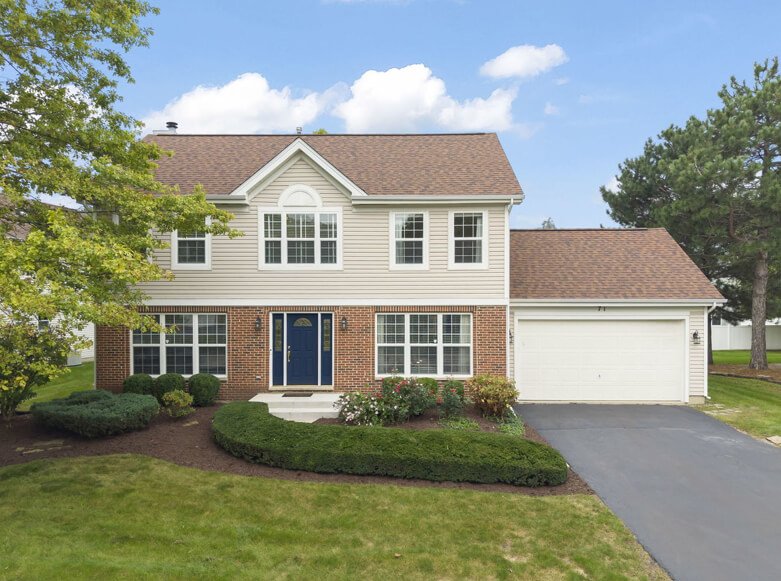
Single-family homes generally offer a separate living structure, with layouts that may include multiple bedrooms, private outdoor space, and attached garages. Depending on the development, buyers may have several floor plans and lot configurations to consider.
These homes can provide greater separation from neighboring properties, but the purchase price may be higher than that of an attached home. Buyers should also account for landscaping, exterior maintenance, utilities, and any applicable association fees.
Townhomes and Other Attached Housing Options
Townhomes and other attached properties can offer a different balance of space, price, and maintenance responsibilities. They may feature multiple levels, compact outdoor areas, and shared walls with neighboring homes.
Some developments include exterior maintenance or shared amenities through a homeowners association. Buyers should confirm exactly which responsibilities are covered, what the monthly or annual fees include, and whether fees may change over time.
Move-In-Ready Homes Versus Properties Under Construction
Move-in-ready new homes are typically closer to completion and may allow buyers to inspect the finished property before closing. These homes can be suitable for those working with a shorter moving timeline.
Properties under construction may provide more opportunities to select finishes or make permitted design choices. However, the completion date can depend on construction progress, inspections, material availability, and other factors.
Ask the builder for a realistic completion schedule and written details about possible delays. If you need to sell another property or arrange temporary accommodation, consider how construction uncertainty could affect your plans.
How Much Do New Homes in Aurora, IL, Cost?
The purchase price of a new construction home depends on its size, floor plan, location, lot, included features, and stage of construction. The advertised base price is only one part of the total cost, so buyers should evaluate the complete financial commitment before proceeding.
Understanding Base Prices and Available Upgrades
Builders often advertise a starting price for a particular floor plan. The final price may increase if you select a premium lot, larger layout, upgraded appliances, enhanced flooring, or other optional features.
Request an itemized breakdown of the base price, standard inclusions, optional upgrades, and any additional charges. If the property includes landscaping, fencing, window treatments, or appliances, verify those details in writing rather than assuming they are included.
Comparing homes based on their total expected cost gives you a clearer picture than comparing advertised prices alone.
Budgeting for Taxes, Closing Costs, and Ongoing Expenses
In addition to the purchase price, buyers should budget for closing costs, property taxes, homeowners insurance, utility bills, and moving expenses. Depending on the property and financing arrangement, other costs may include mortgage-related fees, prepaid expenses, and association charges.
Property taxes deserve particular attention. New construction may have a different assessed value or tax situation from nearby established homes. Review available tax records, ask relevant local authorities about assessment procedures, and avoid assuming that the current tax figure will remain unchanged after the property is assessed.
Ongoing expenses should also include maintenance, repairs not covered by a warranty, landscaping, and future replacement of household equipment.
Comparing Builder Incentives and Financing Offers
Builders may advertise incentives such as closing cost assistance, upgrade allowances, or financing offers through a preferred lender. These offers can reduce certain expenses, but their value depends on eligibility requirements and the complete terms.
Compare the interest rate, loan fees, discount points, closing cost assistance, and any restrictions attached to each offer. A discount on upgrades may not provide the same long-term financial benefit as a lower borrowing cost.
Ask for written estimates and compare financing options independently before committing. Confirm whether an incentive requires using a specific lender, title company, or other provider.
How to Research New Home Builders in Aurora
Choosing a builder requires more than reviewing model homes or promotional materials. Buyers should examine the builder’s background, construction practices, contract terms, and process for addressing problems after closing.
Check Builder Experience, Credentials, and References
Research the builder’s experience with similar properties and developments. Check applicable licenses, registration requirements, public records, and any relevant complaints or disciplinary information available through appropriate authorities.
Ask for references from previous buyers and review feedback for recurring concerns about workmanship, communication, delays, or warranty responses. Online reviews can help identify questions to investigate, but they should be considered alongside other evidence.
Review Construction Specifications and Included Features
Request detailed specifications describing the materials, fixtures, appliances, structural components, and systems included in the home. Confirm the expected standards for insulation, windows, heating and cooling equipment, plumbing, electrical installations, and other major components.
If a model home contains upgraded finishes, verify which items are standard and which are optional. Keep copies of written specifications and selection documents so you can compare the completed property against the agreed terms.
Understand Warranty Coverage and Dispute Procedures
New homes may come with builder warranties covering certain materials, workmanship, or major structural components. Coverage periods, exclusions, claim procedures, and responsibilities vary by builder and warranty provider.
Read the warranty documentation before signing the purchase agreement. Check how defects must be reported, what deadlines apply, and whether repairs are handled directly by the builder or another provider.
Also review the contract’s dispute resolution provisions. Understanding the process for raising concerns can help you respond appropriately if construction defects or incomplete work arise.
What Should You Check Before Signing a New Construction Contract?
A new construction agreement can contain important details about the property’s specifications, payment obligations, completion schedule, and remedies if something changes. Review the documents carefully and consider obtaining independent legal advice before signing.
Construction Timelines, Contingencies, and Completion Terms
The contract should explain the estimated completion date, how delays are handled, and what happens if the home is not ready as expected. Review provisions covering inspections, approvals, weather-related delays, and other circumstances that could affect construction.
Confirm what constitutes substantial completion and whether outstanding work can remain at closing. If your purchase depends on mortgage approval, the sale of another property, or other conditions, ensure those contingencies are clearly documented.
Deposits, Financing Requirements, and Change-Order Costs
Understand when deposits are due, whether they are refundable under specific circumstances, and what happens if financing is not approved. Do not assume a deposit can be recovered if your plans change.
Changes to the original plans may require written change orders and additional payments. Check how the builder calculates these charges, whether changes affect the completion date, and when selections become final.
Inspection Rights and Independent Professional Inspections
A new home should not be assumed to be defect-free simply because it has been recently constructed. Ask whether independent inspections are permitted during construction and before closing.
A qualified inspector can assess visible aspects of the property’s condition and identify items that may require further attention. Depending on the construction stage, inspections may cover structural elements, electrical systems, plumbing, roofing, and other accessible components.
Confirm how inspection findings will be documented and whether the builder must address identified issues before closing. Keep copies of reports, repair commitments, and final walkthrough notes.
New Construction vs. Existing Homes: Which Is Right for You?
Both new and existing homes can meet a buyer’s needs, but their costs, features, locations, and purchase timelines may differ. Comparing both options can prevent you from overlooking suitable properties simply because they do not fit your initial search criteria.
Compare Upfront Costs and Potential Maintenance Needs
New construction may include modern systems and warranties that reduce certain immediate repair concerns. However, the initial purchase price, upgrades, landscaping, and community fees can increase the total cost.
Existing homes may offer established landscaping, mature surroundings, or a lower purchase price, depending on the property. They may also require updates or repairs. Compare inspection findings, likely maintenance costs, and the age of major systems before making a decision.
Evaluate Lot Size, Location, and Established Amenities
An existing home may be located in an established neighborhood with developed roads, mature trees, and nearby amenities. New construction may offer contemporary layouts but could be farther from established services or surrounded by ongoing development.
Consider the lot size, privacy, parking, drainage, neighborhood rules, and proximity to destinations important to you. Evaluate the immediate surroundings as well as the property’s interior.
Consider Move-In Timelines and Customization Preferences
Existing homes can sometimes offer a more predictable move-in schedule, subject to closing and any necessary repairs. A new home that is still under construction may require additional waiting and coordination.
Buyers who value selecting finishes may prefer a new build, while those who prioritize established surroundings or immediate availability may find an existing home more suitable. Your timeline, budget, and willingness to manage construction decisions should guide the comparison.
How to Find and Compare New Homes for Sale in Aurora
A structured property search can help you identify suitable homes, compare costs, and avoid relying on incomplete listing information. Use a consistent set of criteria when reviewing new construction and resale properties.
Filter Listings by Price, Property Type, and Features
Start by setting a realistic budget that includes estimated closing costs and ongoing expenses. Filter available properties by price, bedroom count, property type, square footage, and preferred features.
You can explore available listings through IvyGro, a real estate platform designed to help buyers discover properties and connect with licensed real estate agents. Use your search criteria to narrow the options, then review the details of each property before deciding which ones deserve further consideration.
Verify Availability, Builder Details, and Completion Status
Listing information can change as homes are reserved, sold, or completed. Confirm availability directly with the relevant listing contact and verify the builder, expected completion date, included features, and current pricing.
For homes under construction, ask which stages remain and whether the advertised specifications reflect the exact property. For completed homes, check whether the property is ready for occupancy and whether any outstanding work remains.
Compare New Construction With Nearby Resale Listings
Compare new builds with existing homes in similar locations and price ranges. Consider the full purchase cost, property condition, lot size, neighborhood features, expected maintenance, and likely moving date.
Create a shortlist and record the advantages, limitations, and outstanding questions for each property. A consistent comparison makes it easier to identify homes that align with your needs rather than choosing based only on appearance or advertised price.
Frequently Asked Questions About New Homes in Aurora, IL
Are New Construction Homes More Expensive Than Existing Homes?
Not always. Prices depend on location, property size, features, lot selection, and market conditions. New homes may have additional upgrade costs, while existing homes may require repairs or renovations. Compare the total expected cost of each option.
Should Buyers Get an Inspection on a Newly Built Home?
Yes, an independent inspection can help identify visible defects or incomplete work before closing. Buyers should confirm inspection rights in the contract and consider inspections at suitable construction stages as well as a final inspection before taking possession.
Can Buyers Negotiate Upgrades or Builder Incentives?
Sometimes. Builders may offer selected upgrades, closing cost assistance, or financing incentives depending on the property and current sales conditions. Availability and restrictions vary, so request written terms and compare the overall value rather than focusing on one incentive.
How Long Does It Take to Build a New Home?
The timeline depends on the construction stage, home design, weather, labor and material availability, permits, and inspections. Ask the builder for an estimated schedule and written information about delays. Treat completion dates as estimates unless the contract establishes specific obligations.
What Should Buyers Review Before Closing on a New Construction Home?
Review the final inspection report, completion status, agreed specifications, warranty documents, closing statement, and any outstanding repair commitments. Confirm that required approvals and documentation are available, and ensure the property matches the terms of your purchase agreement.
Start Exploring Homes for Sale in Aurora
Finding the right new construction home involves balancing price, location, design, builder reliability, and long-term affordability. Before committing, verify what the advertised price includes, review the contract carefully, investigate warranty coverage, and arrange appropriate independent inspections.
It is also worth comparing newly built properties with existing homes in Aurora. This can help you understand whether the advantages of new construction justify the total cost and waiting time for your particular needs.
Start by narrowing your preferred locations, setting a realistic budget, and reviewing available listings. If you need help exploring your options through the platform, visit the contact page for further information.