ByJohn A
How Gum Grafting Protects Natural Teeth and Dental Implants
Gum grafting can help address gum recession, strengthen thin gum tissue, and improve the stability of the tissues surrounding natural teeth and dental implants. Connective tissue grafts, free gingival grafts, and selected alternative materials serve different purposes depending on the patient’s condition and treatment goals. Soft tissue grafting around teeth and implants focuses on improving gum coverage, increasing tissue thickness, or building a more stable band of firm gum tissue around an implant. At Cape Cod Perio, patients can receive guidance on suitable periodontal treatments based on their individual oral health needs.
At Cape Cod Perio, patients can receive guidance on periodontal treatments designed to support gum health and protect the tissues surrounding teeth and implants. Understanding how each grafting technique works, what recovery involves, and what results are realistic can help patients make informed decisions about their periodontal care.
Why Healthy Gum Tissue Matters
Gum tissue does more than create an attractive gumline. It helps protect the roots of natural teeth, supports oral comfort, and forms a soft-tissue barrier around dental implants. When the gums recede or the tissue becomes too thin, the underlying root or implant components may become more exposed.
Around natural teeth, recession can cause root sensitivity, visible root surfaces, and increased difficulty keeping certain areas clean. Exposed roots may also be more vulnerable to root decay. Gum grafting can increase tissue coverage in suitable cases, although complete root coverage is not guaranteed.
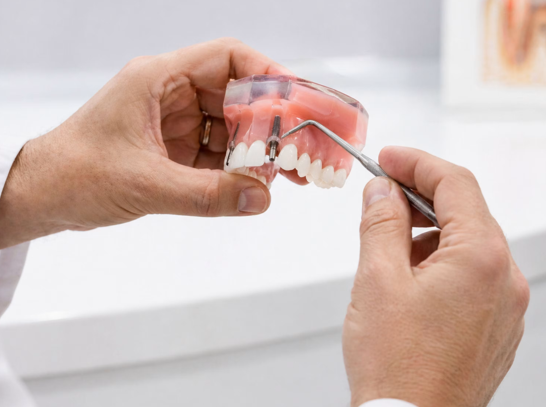
Dental implants have different anatomical needs. Unlike natural teeth, implants do not have the same periodontal ligament and attachment structures. The surrounding tissue must adapt to the implant’s surface and position. Thin tissue or insufficient keratinized gum tissue may contribute to discomfort during brushing, plaque-control difficulties, or aesthetic concerns in selected patients.
Grafting can improve tissue thickness or increase the width of firm, keratinized tissue around an implant. These are distinct treatment goals, and a procedure that is appropriate for one may not achieve the other.
The Main Types of Soft Tissue Grafts
A soft tissue graft surgery involves placing tissue or a suitable graft material in a carefully prepared area to improve gum coverage, thickness, or stability. The choice depends on the treatment site, the amount of tissue available, and the clinical objective.
Connective Tissue Grafts
A connective tissue graft is commonly used to treat gum recession around natural teeth. The periodontist usually obtains connective tissue from beneath the surface layer of tissue on the roof of the mouth, then places it beneath the existing gum tissue near the affected tooth.
This method can increase tissue thickness and improve root coverage. Because the graft is covered by the patient’s existing gum tissue, it can also provide a natural-looking result in many cases.
Connective tissue grafts may be recommended for patients with thin gum tissue, exposed roots, or recession in visible areas. The final outcome depends on factors such as the severity of recession, the position of the tooth, the amount of supporting bone between the teeth, and the condition of the surrounding gums.
The technique requires a suitable donor site and careful handling of the graft. It may not achieve complete root coverage in every case, particularly when recession is advanced or supporting tissues have been lost.
Free Gingival Grafts
A free gingival graft uses a small piece of tissue taken from the roof of the mouth and placed directly onto a prepared recipient site. Unlike a connective tissue graft, this technique transfers the surface tissue along with its underlying connective tissue.
Its primary purpose is often to increase the width of keratinized gum tissue rather than cover an exposed root for cosmetic reasons. Keratinized tissue is the firmer gum tissue that can help patients maintain comfortable brushing and plaque control in certain areas.
A periodontist may recommend this technique when there is limited attached gum tissue around a natural tooth or an implant. It can also be considered when tissue stability is a concern.
The graft may have a different color or texture from the surrounding gums, making it less suitable for some highly visible areas. Its appearance and final size can change as healing progresses.
See also: Azure Cloud Security and DevOps Consulting for Modern Businesses
Alternative Graft Materials
Some patients may be candidates for soft tissue substitutes rather than tissue harvested from the roof of the mouth. These materials may include processed donor tissue or specially developed collagen-based matrices.
Depending on the product and clinical indication, an alternative graft may help increase tissue thickness or keratinized tissue while reducing the need for a second surgical site. This can be appealing to patients who want to avoid harvesting their own tissue.
However, substitute materials do not perform identically to a patient’s own connective tissue. Research findings vary according to the material, technique, treatment site, and outcome being measured. Some substitutes may be useful for increasing tissue dimensions, but they may provide less predictable root coverage or tissue thickness than an autogenous connective tissue graft in certain situations.
The periodontist should explain the evidence supporting the selected material, its intended purpose, and its limitations before treatment begins.
Treating Gum Recession Around Natural Teeth
Gum recession occurs when the gum margin moves away from the crown of the tooth, exposing part of the root. It may be associated with thin gum tissue, traumatic brushing, tooth position, periodontal disease, or other anatomical and inflammatory factors.
A dental soft tissue graft may be recommended to cover an exposed root, thicken vulnerable tissue, reduce sensitivity, or improve the appearance of the gumline. Before surgery, the clinician evaluates the recession pattern, periodontal health, tooth position, and the amount of tissue available for coverage.
The procedure generally involves preparing the recipient site, placing the graft, and securing it with sutures. The graft then needs to establish a blood supply and integrate with the surrounding tissues.
Successful root coverage depends on more than the graft material alone. The position of the gum margin, the integrity of the tissues between neighboring teeth, the presence of inflammation, and the patient’s oral hygiene habits can all influence the result.
Grafting does not correct every underlying cause of recession. For example, persistent traumatic brushing or untreated periodontal inflammation must be addressed to help protect the result. In some cases, the appropriate goal may be thicker tissue and improved protection rather than complete coverage of the root.
Improving Soft Tissue Around Dental Implants
Soft tissue grafting around implants has a different focus from routine root-coverage procedures. The aim may be to improve the thickness of the tissue surrounding the implant, increase the width of keratinized tissue, improve the appearance of the gumline, or address a combination of these concerns.
A connective tissue graft may be used to thicken the tissue around an implant, particularly when thin gums affect the appearance of the restoration or contribute to soft-tissue deficiencies. Increasing tissue thickness can improve the visual profile of the area in selected cases, but it does not guarantee prevention of future bone loss or implant complications.
A free gingival graft may be considered when the main concern is a lack of keratinized tissue. Some patients experience discomfort when brushing around an implant, and increasing the width of firm tissue may make daily cleaning more manageable.
The need for grafting depends on the individual clinical situation. Not every implant requires additional soft tissue, and the presence of limited keratinized tissue alone does not automatically mean surgery is necessary. The clinician considers symptoms, plaque control, inflammation, implant position, prosthetic design, and the patient’s overall oral health.
At Cape Cod Perio, periodontal evaluation can help determine whether tissue augmentation is appropriate and identify the technique that best matches the condition of the gums and implant site.
What Happens During Treatment and Recovery?
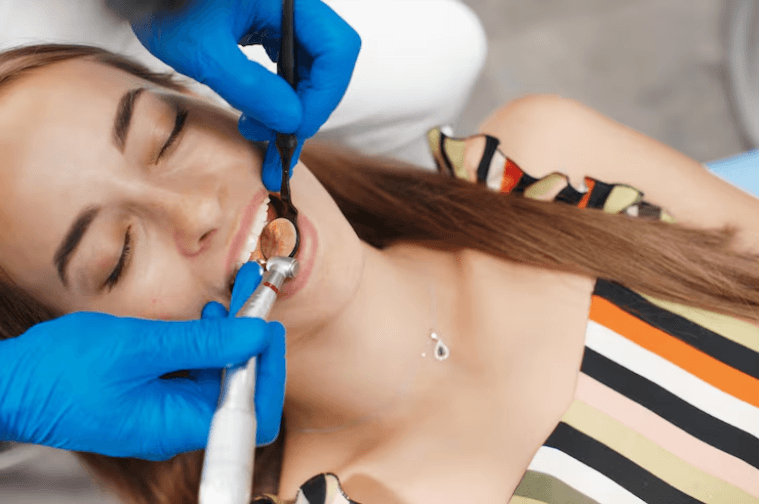
Soft tissue grafting typically involves local anesthesia, preparation of the recipient site, placement of the graft, and suturing to hold the tissue in position. The exact steps vary according to the procedure and whether tissue is harvested from the patient’s palate.
After surgery, mild swelling, tenderness, and limited bleeding may occur. When a donor site is used, patients may also experience discomfort on the roof of the mouth. The periodontist provides specific instructions for managing these effects and protecting the surgical area.
During healing, patients should avoid pulling the lip or cheek to inspect the graft, brushing directly over the surgical site until instructed, or disturbing the sutures. Soft foods may be recommended initially, along with careful oral hygiene around unaffected areas. Smoking and nicotine use can impair healing, so avoiding them is strongly advised.
Patients should follow the prescribed medication instructions and attend scheduled follow-up visits. Increasing pain, persistent bleeding, worsening swelling, fever, or signs of infection warrant prompt contact with the treating clinician.
Healing does not end when the initial tenderness subsides. The graft must integrate with the surrounding tissue, and the gum margin may change as the area matures. The clinician evaluates tissue coverage, thickness, comfort, and stability before determining the longer-term result.
Results, Limitations, and Long-Term Maintenance
The benefits of grafting depend on the original problem and the technique used. Treatment may improve root coverage, reduce sensitivity, increase tissue thickness, expand the zone of keratinized tissue, or improve the appearance of the gumline. Not every patient will experience all these benefits.
Several factors can limit the outcome, including advanced recession, reduced supporting bone, tooth position, implant placement, inadequate blood supply, active inflammation, and difficulty maintaining plaque control. Grafts can also shrink during healing, and additional treatment may occasionally be required.
Long-term maintenance is essential for protecting the surrounding tissues. Patients should use a brushing technique recommended by their dental professional, clean between the teeth daily, and follow implant-specific cleaning instructions when applicable. Regular periodontal maintenance helps detect inflammation or renewed recession before more extensive damage develops.
Patients with dental implants should also have the implant, restoration, and surrounding tissues examined regularly. Grafting improves selected soft-tissue conditions, but it cannot replace ongoing care or correct every mechanical or biological problem associated with an implant.
Choosing the Right Treatment for Your Gum Health
The best grafting technique is the one that addresses the specific tissue deficiency without promising results the procedure cannot reliably deliver. Connective tissue grafts are often useful for root coverage and tissue thickening, while free gingival grafts are frequently selected to increase keratinized tissue. Alternative materials may reduce the need for a donor site in suitable cases, although their results depend on the material and intended use.
A periodontal examination helps establish the cause of the problem, assess the available tissue, and determine the most appropriate treatment goal. Patients should discuss expected benefits, limitations, healing instructions, and maintenance needs before deciding to proceed.
If you have exposed tooth roots, thin gums, or discomfort when cleaning around dental implants, speak with a periodontal professional about your options. You can fix an appointment with Cape Cod Perio to discuss your gum health, receive an individualized assessment, and learn which treatment may help protect your teeth or implants over the long term.